The construction industry has never stood still, and nowhere is that more obvious than in the way we approach formwork. What was once heavily dependent on manual processes, traditional timber methods and reactive site coordination has evolved into a far more intelligent, planned and integrated system of structural delivery.
Today, smarter formwork is not just about using better materials or faster systems. It is about changing how the entire FRP process is planned, managed and delivered.
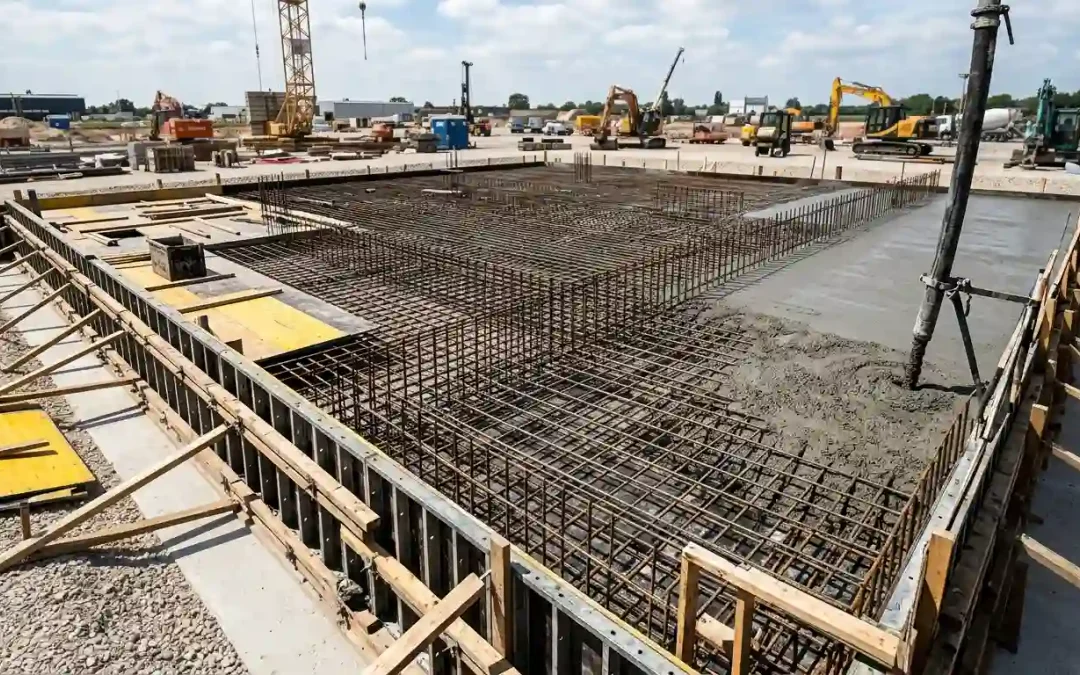
These three stages sit at the centre of concrete structural packages. Formwork creates the shape and support. Reo, or steel fixing, provides the reinforcement. The concrete pour brings the structure to life. When these stages are treated separately, projects can quickly face delays, rework, safety issues and communication gaps. When they are managed through integrated FRP solutions, the entire structural package becomes more predictable.
At Future Form, this is where our approach to smarter construction begins. Through our services, we bring together formwork, steel fixing and concrete placement with practical planning, site experience and a focus on reliable delivery. Behind that work is our experienced team, who understand that innovation in FRP construction is not just about tools. It is about rethinking the process from the ground up.
For developers, construction professionals, industry partners, suppliers and clients, this shift matters. Large-scale projects are becoming more complex, expectations are higher, and the pressure to deliver safely, accurately and efficiently continues to grow. The answer is not simply to work harder. It is to work smarter.
And that is exactly where smarter formwork is transforming FRP construction.
Why smarter formwork matters in modern construction
Smarter formwork matters because it influences almost every part of the structural package.
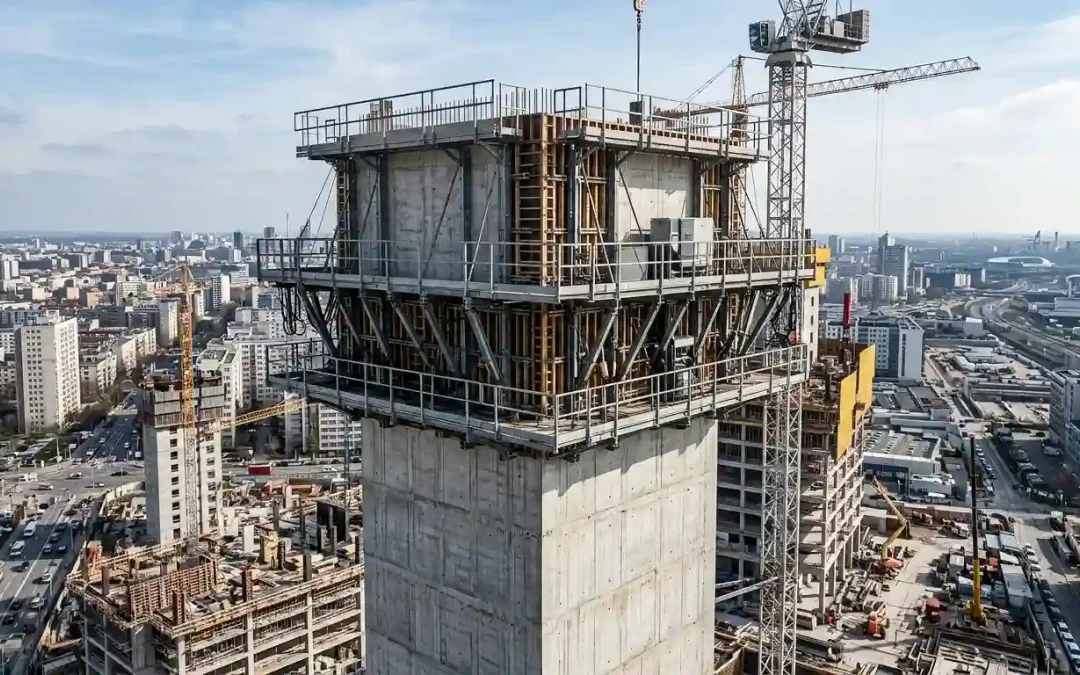
Formwork is not just a temporary mould for concrete. It controls shape, alignment, levels, access, sequencing and safety. If formwork is inaccurate, poorly planned or difficult to work around, the issues can flow directly into steel fixing, concrete placement and follow-on trades.
On large-scale projects, small problems rarely stay small. A delayed formwork cycle can hold up reo installation. A congested reinforcement zone can delay inspection. A late concrete pour can push back the next stage of work. Over time, these small interruptions can create serious programme pressure.
This is why smarter formwork has become so important in modern construction.
It gives project teams a better way to plan before work begins, coordinate during delivery and reduce issues before they become expensive. It also gives FRP contractors more control over the connections between form, reo and pour.
For clients and developers, this means greater certainty. For head contractors, it means fewer moving parts to manage. For site teams, it means clearer sequencing and better communication. For suppliers and industry partners, it means a more organised environment where materials, labour and concrete delivery can be planned with greater accuracy.
Smarter formwork is not just a technical improvement. It is a better way to manage risk, time, cost and quality across the full FRP construction process.
Innovation starts before work reaches the site
One of the biggest misunderstandings about innovation is that it only happens on site.
In reality, some of the most valuable innovation happens long before the first panel is installed, the first bar is tied or the first concrete truck arrives.
A smarter FRP approach begins during planning. Before the work reaches the site, the right questions need to be asked. How will the formwork system support the programme? How will the reo sequence work? Where will concrete be placed from? What access is required? Which areas are likely to create congestion? Where are the risks? What needs to be clarified before it becomes a site problem?
These questions may seem simple, but they can shape the success of the entire structural package.
When planning is left too late, teams are forced to solve problems under pressure. When planning starts early, the project has more time to identify risks, improve sequencing and align the form, reo and pour stages.
This is where experienced FRP contractors add real value. They do not just look at one trade in isolation. They look at how each stage affects the next. A formwork decision is not just a formwork decision. It can affect steel fixing access, inspection timing, concrete placement, stripping, curing and the next cycle of work.
At Future Form, this early thinking is central to how complex structural packages are approached. Innovation is not about making the process look more complicated. It is about making delivery cleaner, clearer and more controlled before work reaches the pressure of the site.
Smarter planning: the digital shift in FRP construction
One of the most significant changes in smarter formwork has been the shift towards digital planning.
Traditional construction relied heavily on 2D drawings, manual coordination and site-based problem-solving. While these methods still have a place, they are no longer enough for many complex FRP construction projects.
Digital planning gives project teams a clearer view of the structure before physical work begins. Through Building Information Modelling, 3D coordination, digital mark-ups and improved planning systems, FRP contractors can better understand the relationship between formwork, steel fixing and concrete placement.
This allows issues to be identified earlier, when they are easier and more cost-effective to resolve.
For example, digital planning can help highlight congested reo zones, difficult access areas, clashes between structural details, complex pour sequences or formwork layouts that may not be practical on site. It can also help teams visualise how materials will move, how systems will be installed and how the work will progress from one zone to the next.
The benefit is not just visual. It is operational.
When the plan is clearer, the site can work with more confidence. Supervisors have better information. Labour can be allocated more effectively. Material requirements can be understood earlier. Project teams can communicate more clearly with engineers, clients, subcontractors and suppliers.
In smarter FRP construction, digital planning does not replace experience. It supports it. It gives skilled people better information so they can make better decisions.
The role of digital tools in smarter FRP construction
Digital tools are playing a growing role in FRP construction, but their value depends on how they are used.
A tool is only useful if it improves the way the work is planned, communicated or delivered. The goal is not to add more systems for the sake of it. The goal is to make the structural package easier to understand and easier to manage.
In smarter formwork, digital tools can support several areas of delivery. They can help with drawing review, design coordination, material take-offs, labour planning, programme tracking, quality checks and communication between site and office teams.
For formwork, this can mean better system layouts and clearer installation sequences. For steel fixing, it can mean improved understanding of reinforcement zones, penetrations, laps and congested areas. For concrete placement, it can mean better pour planning, clearer access requirements and stronger coordination with suppliers.
Digital tools can also improve communication across the project team. Instead of relying on scattered emails, marked-up drawings or verbal instructions, teams can work from clearer shared information. This reduces confusion and helps ensure that everyone understands what is happening next.
This is especially important on large-scale projects, where multiple teams are working in different areas at the same time. A small communication gap can quickly affect programme, quality or safety.
Digital tools are most valuable when they support practical delivery. Smarter FRP construction is not about technology replacing people. It is about giving people the information, systems and visibility they need to deliver better outcomes.
Better coordination between form, reo and pour
The strength of FRP construction depends on how well form, reo and pour work together.
Each stage has its own purpose, but none of them stand alone. Formwork creates the structure’s shape and support. Reo gives the concrete its strength. The pour completes the structural element. If one stage is delayed, unclear or poorly coordinated, the next stage is affected.
This is why integrated FRP solutions are becoming more important.
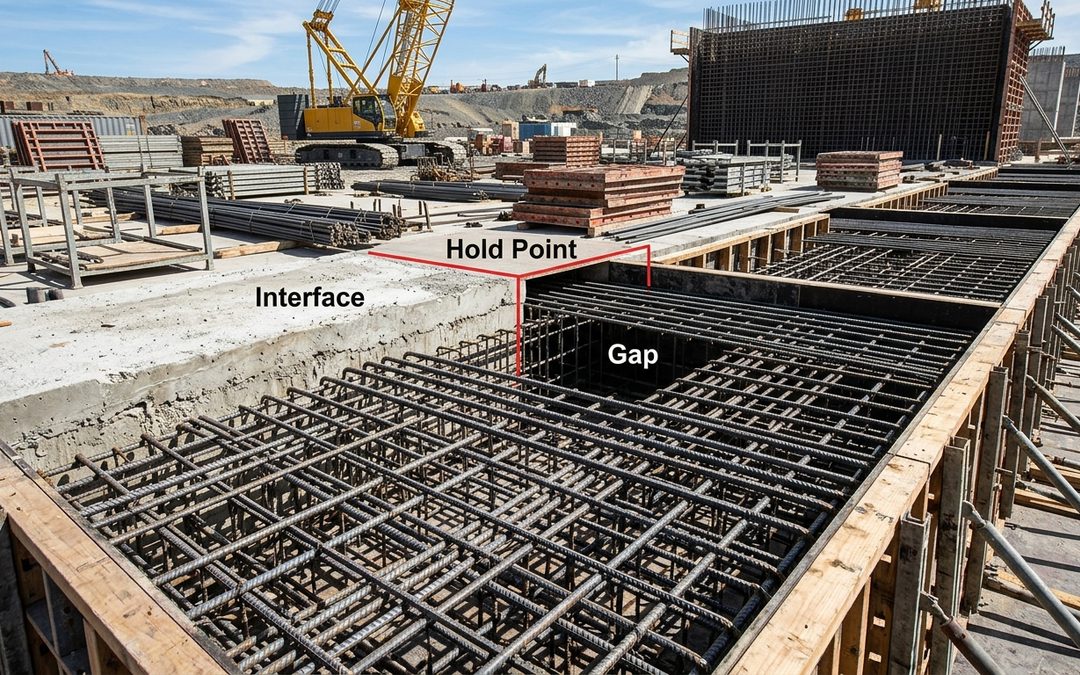
When form, reo and pour are managed as separate packages, the interfaces between trades can become weak points. The formwork team may finish, but the reo team may not be ready. The reo may be installed, but inspections may not be booked. The inspection may be complete, but the concrete delivery may not be properly timed. These gaps can create delays, rework and frustration across the project.
In an integrated model, the workflow is more connected.
The formwork sequence is planned with steel fixing in mind. Reo installation is coordinated around inspection requirements and pour timing. Concrete placement is prepared with access, labour, pump setup and finishing requirements considered in advance.
This creates a smoother rhythm across the structural package.
Better coordination also supports safety. When teams understand who is working where, what stage is coming next and how materials are moving through the site, there is less confusion and less unnecessary overlap between trades.
For complex projects, this level of coordination is not just helpful. It is essential. The more complex the structure, the more important it becomes to manage form, reo and pour as one connected process.
The commercial value of integrated FRP solutions
For developers, builders and project teams, the commercial value of integrated FRP solutions is simple: better coordination creates better certainty.
Large-scale projects depend on programme control. Every delay has a cost. Every mistake has a flow-on effect. Every unclear handover creates risk. When the structural package has unclear strategy, the entire project can feel the pressure.
Integrated FRP solutions help reduce that uncertainty by bringing formwork, steel fixing and concrete placement into a more coordinated delivery model.
Instead of managing multiple disconnected contractors, project teams can work with one FRP contractor that understands the full sequence. This creates clearer accountability, stronger communication and a more practical approach to solving problems.
The commercial benefits can be seen in several ways.
Rework can be reduced because issues are identified earlier. Programme delays can be managed more effectively because the sequence is clearer. Labour can be planned more efficiently because each stage is connected. Concrete delivery can be better timed because pour readiness is understood earlier. Materials can be staged more carefully because the team has a clearer view of upcoming works.
For suppliers and industry partners, integrated delivery also creates a more organised environment. When the site is better planned, deliveries can be coordinated more effectively and last-minute changes can be reduced.
This does not mean every project becomes problem-free. Construction will always involve change. But integrated FRP solutions give teams a stronger structure for managing that change.
Future Form’s commitment to forward-thinking FRP construction
As smarter formwork continues to reshape the way structural packages are delivered, the focus now turns to how this thinking is applied in practice. Future Form’s commitment to forward-thinking FRP construction is built on a simple idea: complex structural packages need more than isolated trade delivery.
They need planning, coordination, experience and accountability.
With experience across formwork, steel fixing and concrete placement, Future Form understands how each stage affects the next. The focus is not only on completing individual tasks, but on managing the full FRP cycle in a way that supports the project’s broader goals.
This means looking at the structure as a connected system.
How will the formwork support the programme? How will steel fixing be sequenced? How will concrete placement be managed? How can safety be improved? How can waste be reduced? How can site teams work more efficiently? How can the structural package be delivered with greater confidence?
These are the questions that shape a smarter approach.
Future Form’s forward-thinking mindset is not about chasing trends. It is about continuous improvement. It is about finding practical ways to make FRP construction safer, clearer and more reliable. It is about combining industry experience with smarter systems, better planning and a strong understanding of site delivery.
For developers, head contractors, consultants, suppliers and clients, this creates a stronger project partnership. Future Form brings the capability to support complex structural works through integrated FRP solutions, helping projects move from planning to delivery with greater control.
Continuous improvement is shaping the future of FRP
The future of FRP construction will not be shaped by one single technology, system or method.
It will be shaped by continuous improvement.
That means improving how formwork is designed and installed. Improving how reo is coordinated. Improving how concrete pours are planned. Improving how safety is managed. Improving how site teams communicate. Improving how structural packages are delivered from start to finish.
This is where smarter formwork continues to evolve.
As projects become more complex, the industry will keep moving towards better planning, stronger coordination and more integrated delivery models. FRP contractors who can adapt, improve and think ahead will become increasingly valuable to project teams.
Continuous improvement also means learning from each project. What worked well? Where were the delays? Which systems saved time? Which details caused confusion? Which parts of the sequence could be improved next time?
These lessons matter because FRP construction is highly repetitive. The same cycles often repeat across floors, zones and stages. When improvements are made early, the benefits can continue throughout the project.
For Future Form, continuous improvement is part of building smarter. It is about refining systems, investing in people, strengthening processes and staying focused on practical outcomes.
Smarter formwork is not a destination. It is a direction. And it is one that will continue to shape the future of FRP construction.
Building smarter from the structure up
Smarter formwork is changing the way FRP construction is planned, coordinated and delivered.
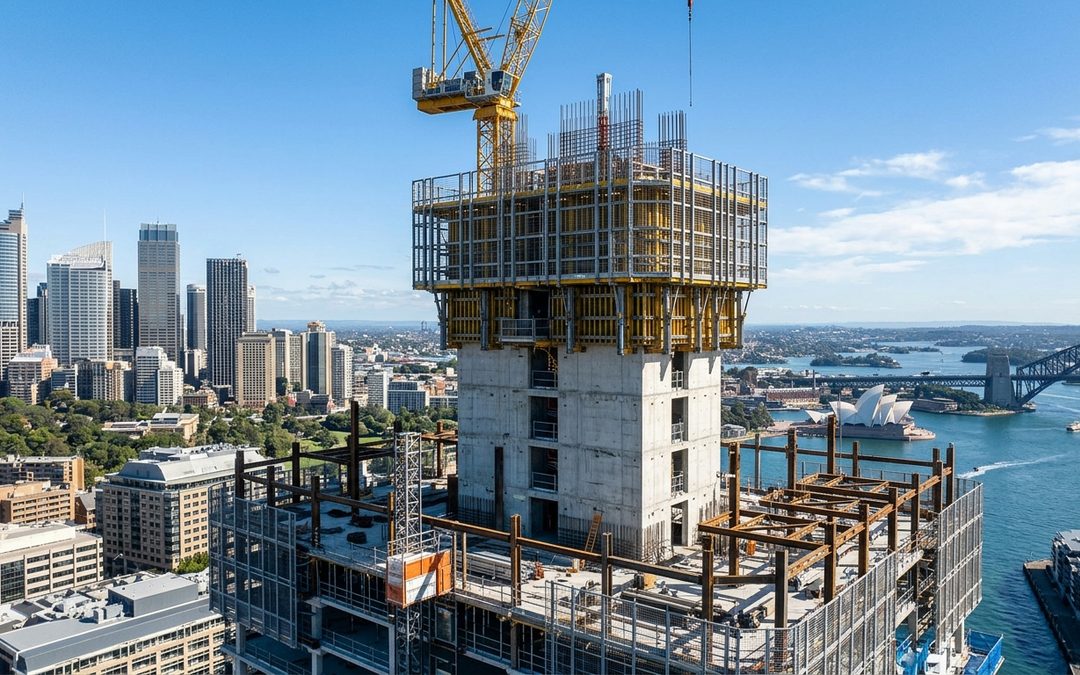
It is helping project teams move away from reactive construction and towards a more controlled, integrated and forward-thinking approach. It is improving the relationship between form, reo and pour. It is supporting better safety, stronger quality, clearer communication and more predictable structural outcomes.
For developers and construction professionals, this matters because the structural package sets the tone for the rest of the project. When FRP works are delayed, unclear or poorly coordinated, the impact can flow through the programme. When they are well planned and properly delivered, the entire project benefits.
That is the real value of smarter formwork.
It is not just about building faster. It is about building with more confidence, more control and more clarity from the very beginning.
At Future Form, this thinking sits behind our commitment to forward-thinking FRP construction. By combining practical experience, smarter systems and integrated FRP solutions, our team helps support complex structural packages from form, to reo, to pour.
As the construction industry continues to evolve, one thing is clear: the future belongs to teams that can plan better, coordinate smarter and deliver with confidence.
For project teams preparing for complex structural work, early coordination can make a meaningful difference to how confidently the structural package moves from planning through to delivery. Future Form continues to support this shift through practical experience, integrated FRP solutions and a smarter approach to form, reo and pour.
References
Australian Constructors Association. (n.d.). Publications. Retrieved May 13, 2026, from https://www.constructors.com.au/publications/
Cement Concrete & Aggregates Australia. (2021). Guide to concrete construction (4th ed.). Cement Concrete & Aggregates Australia.
Engineers Australia. (2022). Enhancing productivity in infrastructure delivery. Engineers Australia. https://www.engineersaustralia.org.au/
Infrastructure Australia. (2025). Infrastructure market capacity report. Infrastructure Australia. https://www.infrastructureaustralia.gov.au/
Infrastructure Victoria. (2024). Digital technology and infrastructure productivity. Infrastructure Victoria. https://www.infrastructurevictoria.com.au/
Safe Work Australia. (2025). Key work health and safety statistics Australia. Safe Work Australia. https://data.safeworkaustralia.gov.au/
Standards Australia. (2018). AS 3600:2018 Concrete structures. Standards Australia.