On large-scale projects, productivity rarely comes down to how fast any single trade can work. It comes down to how well the work is ordered. The structural package sets the pace for everything that follows, and the order in which form, reo and pour come together decides whether the programme flows or stalls. Get the sequencing right and the site develops a rhythm. Get it wrong and even a strong team can find itself waiting, reworking or standing down.
This is why sequencing sits at the heart of efficient project delivery. In construction, FRP refers to form, reo and pour, bringing formwork, steel fixing and concrete placement together into one connected process. Each stage has its own technical demands, but on large-scale projects they cannot be planned in isolation. The form has to be ready for the reo. The reo has to be complete and inspected before the pour. And the pour has to be timed around access, labour, plant, weather and concrete supply. Sequencing is what holds that sequence together.
That coordination is what Future Form is built around. As an experienced FRP contractor, Future Form brings form, reo and pour together under one integrated service, so the structural package can move as a single connected sequence rather than three disconnected trades. Behind that approach is an experienced site and delivery team that plans the programme with builders and developers from the earliest stages right through to the final pour.
Key takeaways
- Sequencing form, reo and pour is the foundation of efficient project delivery, not an afterthought to it.
- Poorly timed handovers, late materials, incomplete reinforcement or unavailable pour zones can stall the entire structural programme.
- Clear sequencing supports safer work areas, stronger trade coordination and more reliable floor cycles.
- Integrated FRP solutions from an experienced FRP contractor bring form, reo and pour under one coordinated structural package.
Why sequencing is the heartbeat of the structural package
It is tempting to treat form, reo and pour as three separate jobs handed from one crew to the next. On a small build, that view can hold. On large-scale projects, it falls apart quickly. The structural package usually sits at the centre of the construction programme, so the order of work does not just affect the structure. It affects services, finishing trades, access, crane time and safety.
Sequencing is the discipline that keeps those moving parts aligned. It answers the practical questions that decide a day on site: which zone is being formed now, which is being fixed, which is waiting on inspection and which is ready for concrete. When those answers are clear and planned in advance, crews move with purpose. When they are not, the site drifts into stop-start work, and the cost of that lost momentum builds quietly across the whole job.
What effective sequencing actually looks like on site
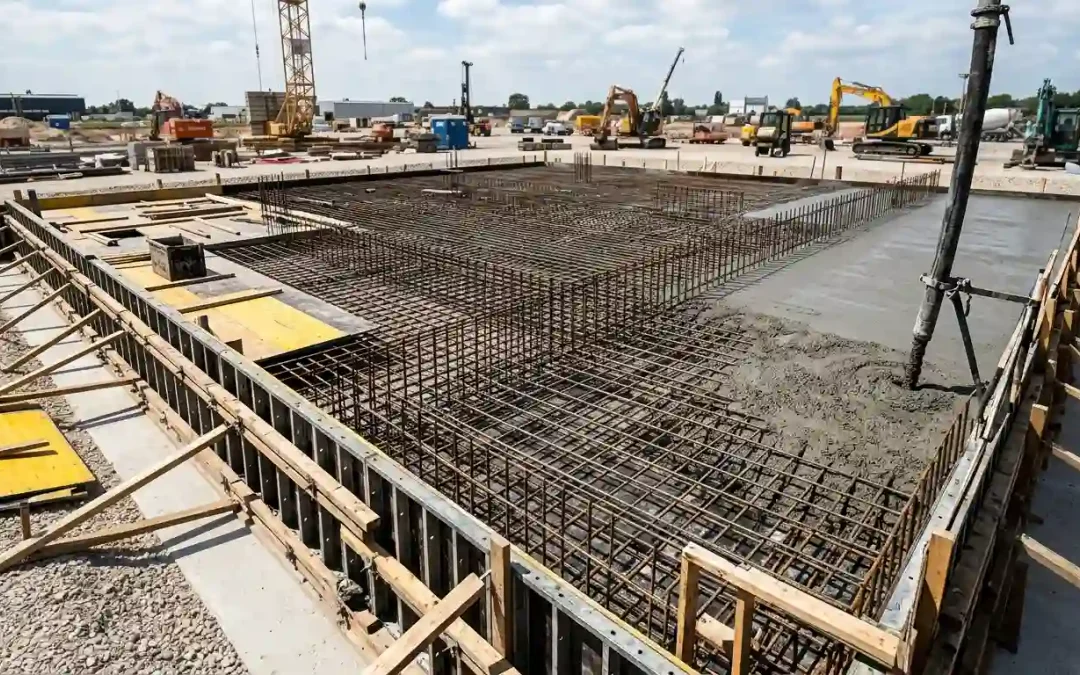
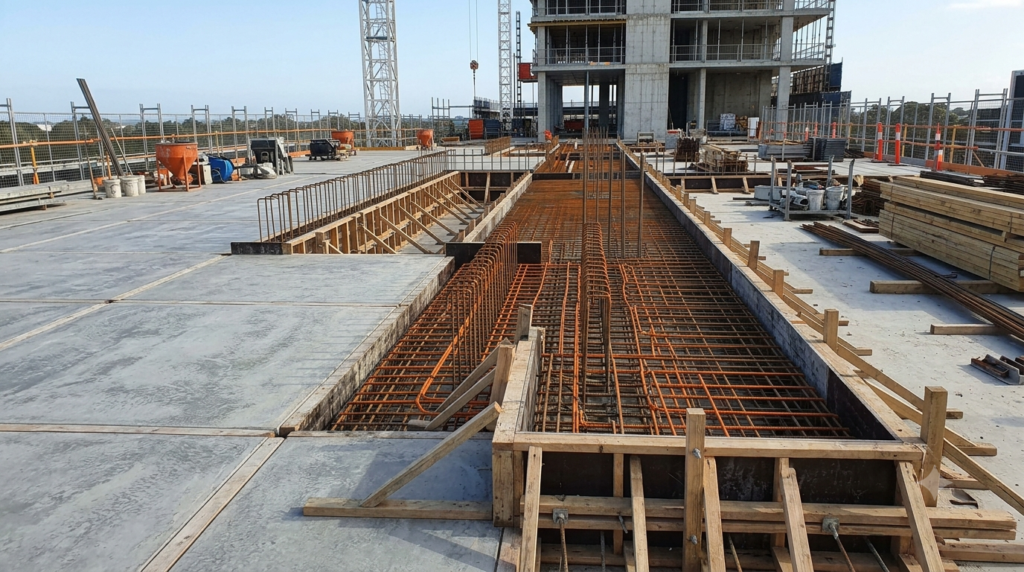
Good sequencing looks deceptively simple: form first, reo second, pour third. In reality, large-scale projects run several of these stages at once. One deck may be in formwork while another is being fixed, a third is awaiting inspection and a fourth is ready to pour. Sequencing is what keeps those overlapping activities from colliding.
That means planning labour so the right crews are in the right zones, and confirming that reinforcement, formwork materials and concrete are available exactly when each stage needs them. It means booking crane time, pumps and access windows around the pour, not the other way around. Above all, it means supervisors understanding what is happening now, what comes next and what could disrupt the following stage.
Done well, sequencing reduces the downtime between stages. When the formwork team, the steel fixing team and the concrete team are working to the same plan, the structure moves with a steady cycle. On high-volume works, where repeated cycles drive the overall programme, that rhythm is often the difference between a job that finishes on time and one that slips.
When the sequence slips: how poor timing spreads through a programme
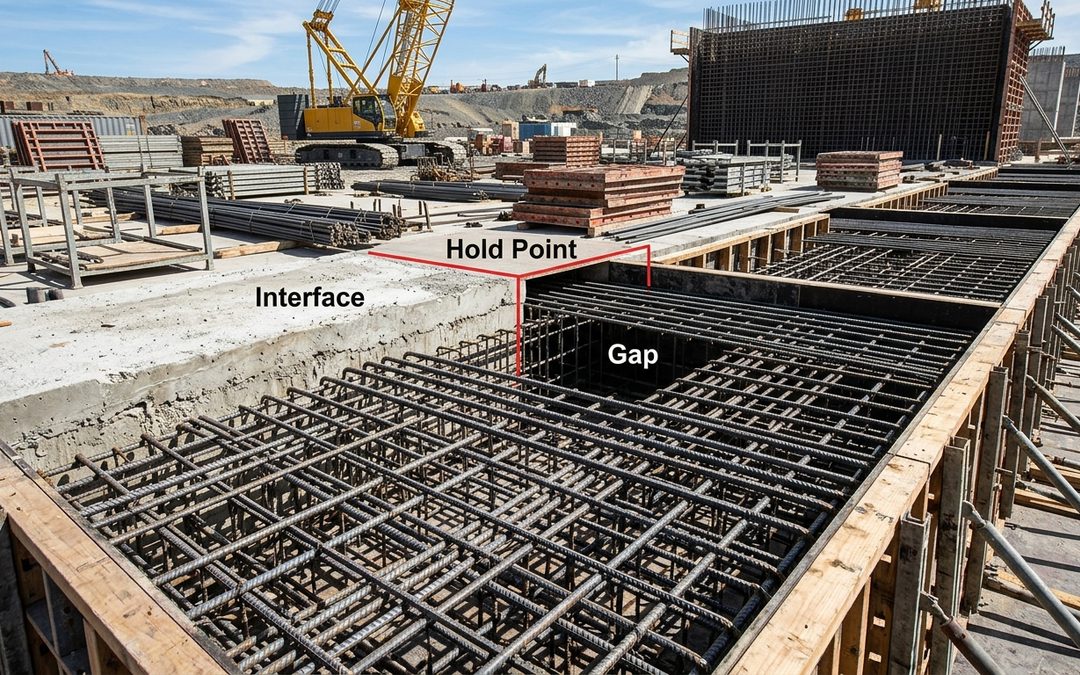
The clearest way to understand sequencing is to watch what happens when it breaks down. A handover that arrives late, a delivery of reinforcement that does not turn up, an incomplete steel fix or a pour zone that simply is not ready can each stall the structural programme, and the disruption rarely stays contained.
Consider a common chain of events. A drawing query raised during steel fixing delays inspection. The late inspection pushes back the pour. The delayed pour shifts the next deck, wall or core. Suddenly a small issue in one zone has moved milestones across several teams. On large-scale projects, that ripple can reach follow-on trades, concrete bookings, pump availability and labour that has been scheduled days ahead.
Poorly timed handovers are especially costly because they waste the resource that is hardest to recover: time. Crews stand down or shuffle between zones inefficiently, plant sits idle, and the pressure to catch up can push teams toward rework or unsafe shortcuts. Strong sequencing does not remove every risk, but it gives the team a far better chance of seeing these problems coming and managing them before they turn into delays.
Safer work areas and stronger trade coordination
Sequencing is not only a productivity tool. It is also a safety and coordination tool. When crews know the order of work, the site is calmer, cleaner and easier to control. When they do not, zones become crowded, trades work over the top of one another and the risk of incidents rises.
Formwork, reinforcement and concrete placement all carry recognised hazards, and guidance for temporary works stresses the value of competent planning, controlled processes and safe exclusion zones during pours. Clear sequencing supports exactly that. It keeps the pour area established and protected, limits the number of crews in a zone at any one time and gives supervisors the space to run proper pre-pour checks.
Coordination benefits too. Sequencing forces early conversations between builders, engineers, FRP contractors and other trades about who needs what and when. Those conversations surface clashes and buildability issues while there is still time to resolve them. Industry research continues to point to collaboration as one of the key drivers of productivity, particularly on complex projects where many parties must work together.
Protecting the floor cycle on large-scale projects
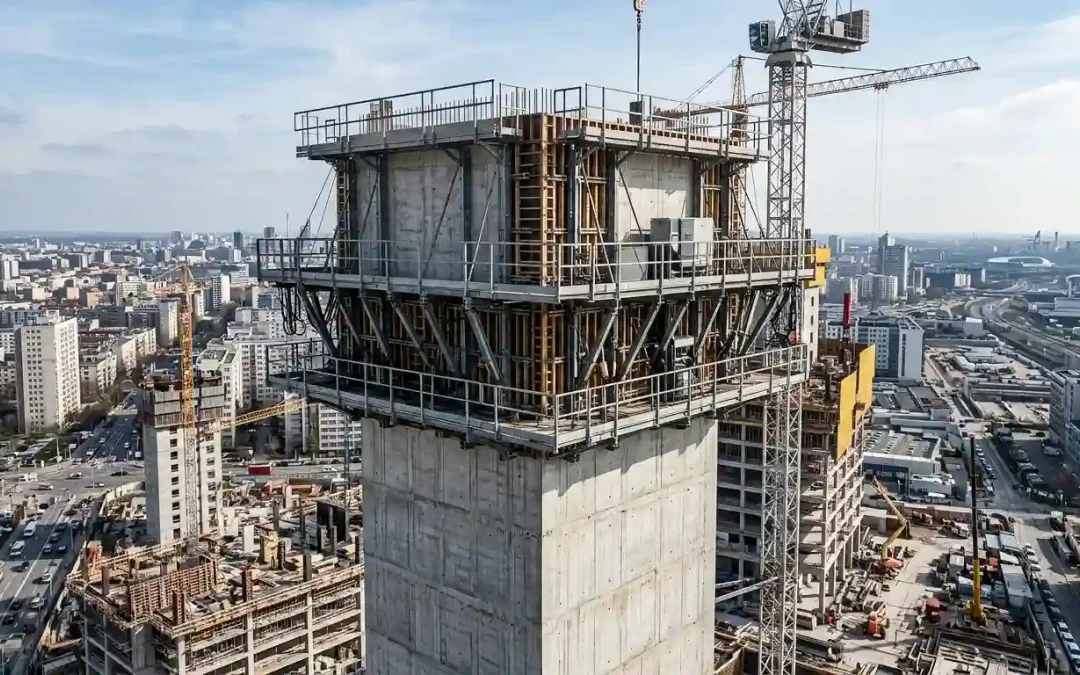
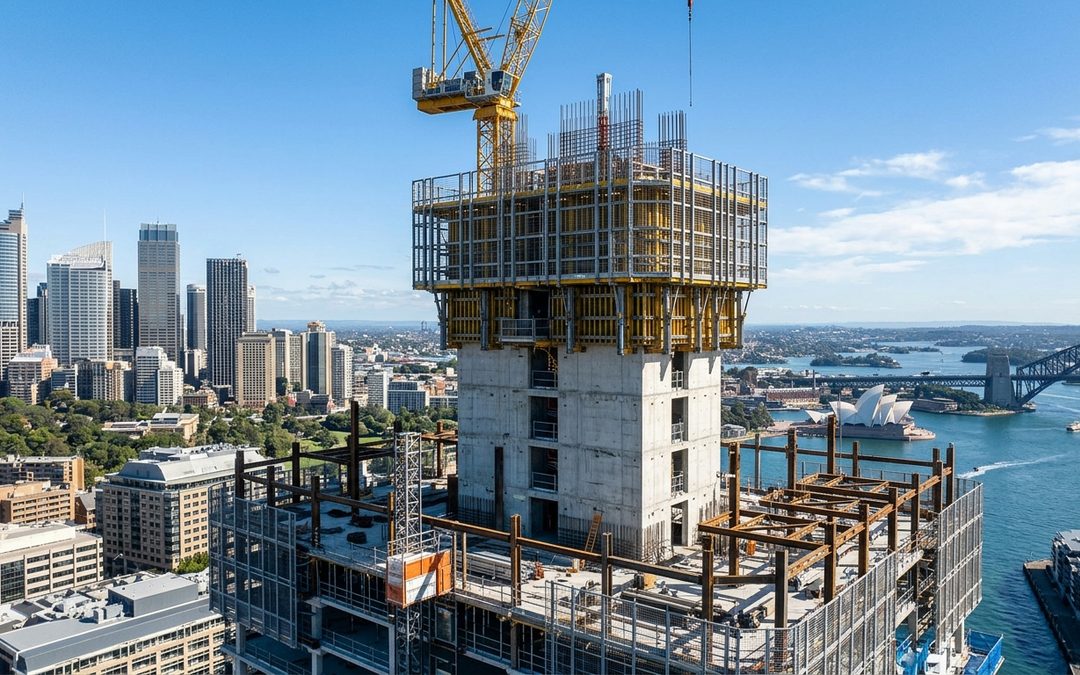
On multi-level structures, the floor cycle is the engine of the programme. Whether a team is turning over a deck every week, fortnight or month, the reliability of that cycle depends almost entirely on how well form, reo and pour are sequenced.
A predictable cycle relies on each stage finishing cleanly so the next can begin without delay. Formwork must be struck and repositioned on time. Reinforcement must be fixed and signed off without a scramble. The pour must land in its window so curing and back-propping stay on schedule. When one stage runs late, the cycle absorbs the hit, and a single slow floor can compound into weeks across a tall structure.
This is where treating FRP as one connected package rather than three separate trades pays off. When sequencing is planned across the full structural package, the floor cycle becomes something the team can rely on and repeat, rather than something they rebuild from scratch every level.
How Future Form supports sequenced form, reo and pour
Reliable sequencing takes experience, planning and a clear understanding of how each stage connects across the structural programme. That is where Future Form focuses its work.
As an experienced FRP contractor, Future Form delivers integrated FRP solutions that bring form, reo and pour together under one coordinated structural package. Rather than managing formwork, steel fixing and concrete as disconnected tasks, the team plans them as a single sequence, from early preparation and drawing reviews through to pour completion. That means clear handovers between stages, practical site sequencing built around real access and plant constraints, and communication that keeps builders, supervisors and suppliers aligned.
For builders and developers, the value is straightforward. Coordinated sequencing helps reduce disruption, maintain momentum and create a more predictable path from formwork installation through to concrete placement. It is an approach shaped by hands-on delivery across a range of large-scale project sites, where timing, quality and sequencing are critical and that structure gives the whole team more confidence in the programme.
Bringing it all together
Sequencing form, reo and pour is the quiet foundation of efficient project delivery. It connects the technical, practical and logistical parts of the structural package into one clear order of work, and it decides whether a large-scale project builds momentum or loses it.
When form, reo and pour are managed separately, projects invite avoidable delays, miscommunication and rework. When they are sequenced properly, the structural package becomes safer, more coordinated and far more predictable, floor after floor. For builders, developers and project teams, working with experienced FRP contractors who plan the full sequence can make a genuine difference to how a job runs.
If you are planning a large-scale project and want to explore how coordinated form, reo and pour can support your programme, get in touch with the Future Form team to start the conversation. Because in construction, the strongest results come from getting the order of work right from the very beginning.
References
Australian Constructors Association. (2023). Submission 73: Productivity inquiry. Productivity Commission. Retrieved August 6, 2026, from https://assets.pc.gov.au/__data/assets/pdf_file/0012/341130/sub073-productivity.pdf
Infrastructure Australia. (2024). 2024 infrastructure market capacity report. Retrieved August 6, 2026, from https://www.infrastructureaustralia.gov.au/reports/2024-infrastructure-market-capacity-report
Safe Work Australia. (2014). Formwork and falsework: General guide. Retrieved August 6, 2026, from https://www.safeworkaustralia.gov.au/system/files/documents/1702/formwork-falsework-general-guide.pdf
SafeWork NSW. (2020). Code of practice: Formwork. Retrieved August 6, 2026, from https://www.safework.nsw.gov.au/__data/assets/pdf_file/0004/845887/Formwork-code-of-practice.pdf