On large-scale projects, even the best structural programme can come unstuck if the people building it aren’t talking to each other. The drawings might be spot on, the materials ordered and the crews highly skilled, yet one message that never lands, or an update that reaches the wrong person a day too late, can quietly throw the plan out. The structural package is where a lot of that risk sits, because so many trades rely on each other in such a tight order. Get the communication right and the site works as one. Get it wrong and even good teams end up reworking, waiting or guessing.
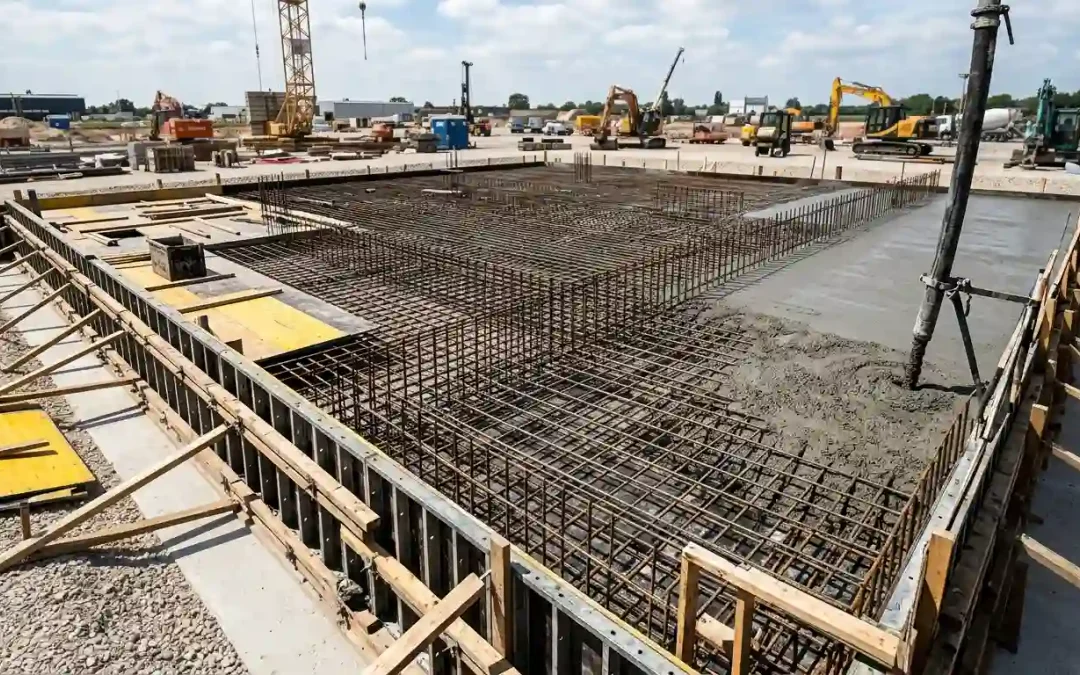
In construction, FRP means form, reo and pour, which brings formwork, steel fixing and concrete placement together into one connected process. Each stage has its own technical demands, but on large-scale projects you can’t plan or run them separately. The form has to suit the reo. The reo has to be finished and inspected before the pour. And the pour has to be timed around access, plant, labour, weather and concrete supply. Communication is what ties those handovers together, and it’s often the difference between a smooth structural package and a stressful one.
Keeping that from breaking down is exactly what Future Form is built around. Instead of treating each trade as a separate job passing messages across a gap, Future Form brings form, reo and pour together under one integrated service, so the structural package can move as a single connected sequence. Behind that is a hands-on site and delivery team that plans the programme with builders and developers, from the first drawing conversations right through to the final pour.
Key takeaways
- Communication across the structural package is what keeps form, reo and pour lined up, not an extra you bolt on at handover.
- Missed updates, unclear responsibilities and late design changes can quietly throw out reinforcement, formwork sizes, inspections, concrete bookings and programme deadlines.
- Good communication makes for safer sites, fewer clashes and more reliable floor cycles on large-scale projects.
- Integrated FRP solutions from experienced FRP contractors bring form, reo and pour under one shared conversation instead of three separate ones.
The structural package only works when people talk
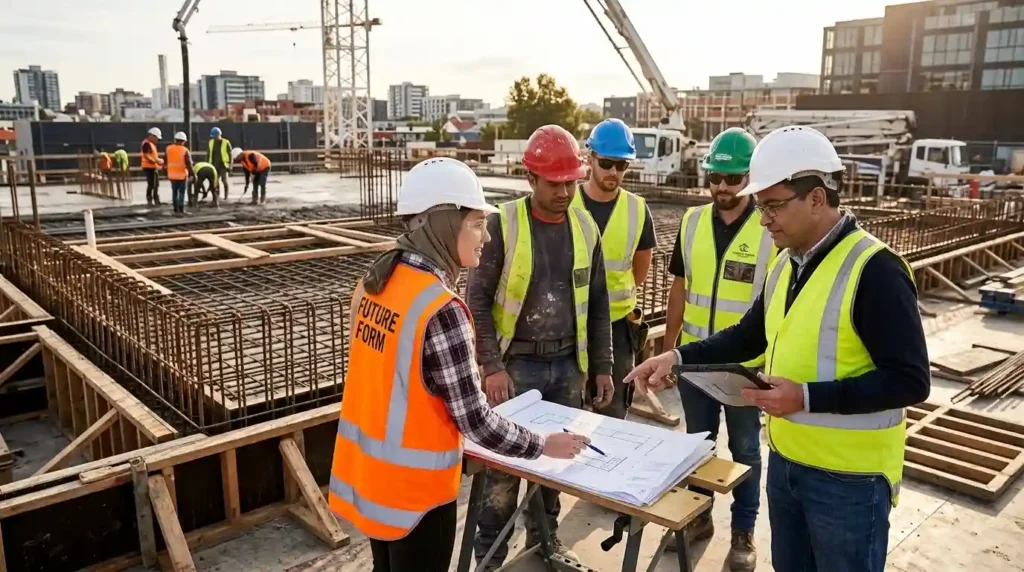
It’s tempting to picture the structural package as a relay race, where each trade runs its leg, hands over the baton and steps aside. On a small build, that idea holds up well enough. On large-scale projects, it breaks down, because the legs overlap. While one deck is being formed, another is being fixed, a third is waiting on inspection and a fourth is ready for concrete. None of that overlap works without a steady flow of information between the builder, the engineer, the formwork crew, the steel fixers, the concrete supplier and everyone else with a stake in the pour.
For decades, construction has been less productive than other industries, and one of the main reasons is how split up the work is (McKinsey Global Institute, 2017). When each trade works on its own and only worries about its own part, problems tend to appear in the gaps between form, reo and pour. Good communication is what fills those gaps. It answers the everyday questions that shape a day on site: what changed overnight, who is doing the next step, and what the next crew needs to keep going.
Where communication breaks down across form, reo and pour
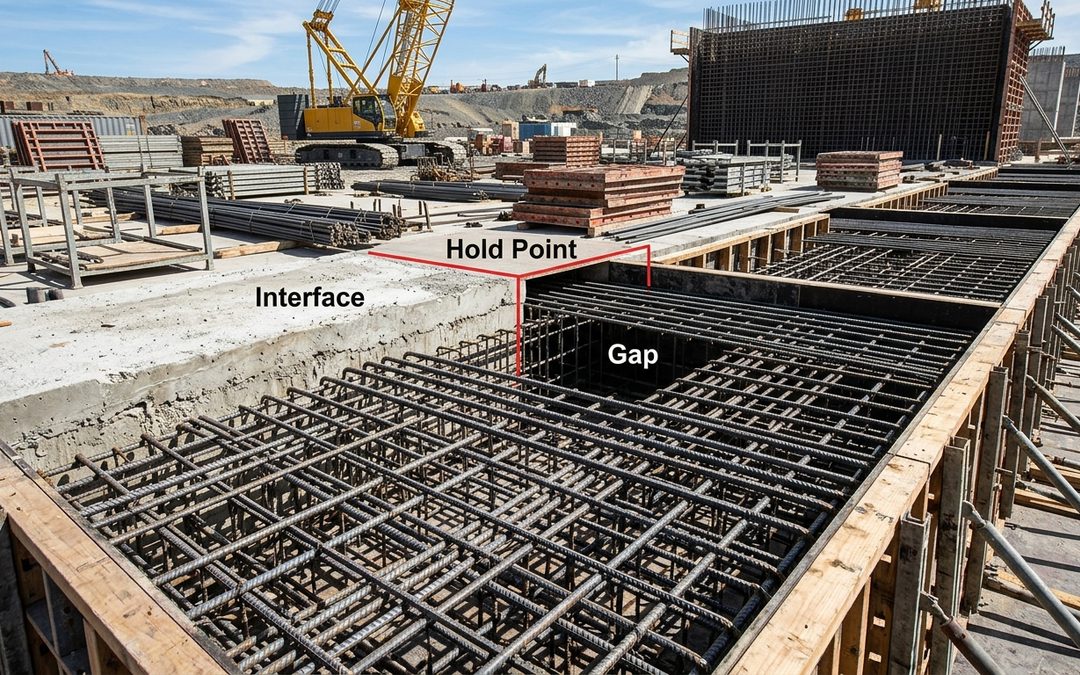
Most communication problems aren’t dramatic. They’re small, everyday gaps that only show their cost later. A missed update is the classic one: a beam is made deeper on a revised drawing, but the formwork crew builds to the old size, and no one flags the change until the reo won’t fit. Unclear responsibilities are another. When it isn’t obvious who confirms the reinforcement is finished or who books the concrete, jobs slip through the cracks because everyone assumes someone else has them.
Late design changes are probably the most disruptive of all. A revision that lands after steel fixing has started can force the reinforcement to be changed, the formwork to be adjusted and inspections to be rebooked, all under time pressure. On large-scale projects, where several zones move at once, one unclear message can touch reinforcement, formwork sizes, inspections, concrete bookings and programme deadlines in the same afternoon. It’s the missing information, not the concrete, that ends up holding the pour up.
How a missed message ripples through the programme
The clearest way to see why communication matters is to follow what happens when it fails. Say a drawing query comes up during steel fixing but never reaches the engineer clearly. The answer comes back late, so the inspection slips. The late inspection pushes back the pour. The delayed pour shifts the next deck, wall or core, and the concrete already booked now has nowhere to go. One detail that wasn’t shared has moved deadlines across several teams.
That flow-on is expensive because it wastes the one thing you can’t get back: time. And this isn’t a soft concern. A study of large capital projects found that a big share of the money at risk comes down to poor communication, while teams that communicate well get much better results (Project Management Institute, 2013). On a busy structural package, crews stand down or shuffle between zones, plant sits idle, concrete orders get rebooked, and the rush to catch up can push people toward rework or unsafe shortcuts. Good communication won’t remove every risk, but it gives the team a real chance to spot problems early and deal with them before they turn into delays.
Communication also keeps the site safe and coordinated
Communication across the structural package isn’t only about protecting the programme. It’s also a safety and coordination tool. Formwork, steel fixing and concrete placement all carry known hazards, and pours in particular need controlled processes and clear exclusion zones. When crews know the order of work and who’s doing what, the pour area stays protected, fewer trades are crammed into one zone, and supervisors have the room to run proper pre-pour checks.
When that information doesn’t flow, zones get crowded, trades work on top of one another, and the risk of an incident goes up. Good communication forces the early conversations that bring clashes and buildability issues to light while there’s still time to fix them, rather than at the worst possible moment. Shared information standards and structured coordination between parties are now widely seen as central to managing this on major builds (International Organization for Standardization, 2018). The idea is simple: the sooner a concern is raised, the cheaper and safer it is to sort out.
Stronger FRP coordination starts with better conversations
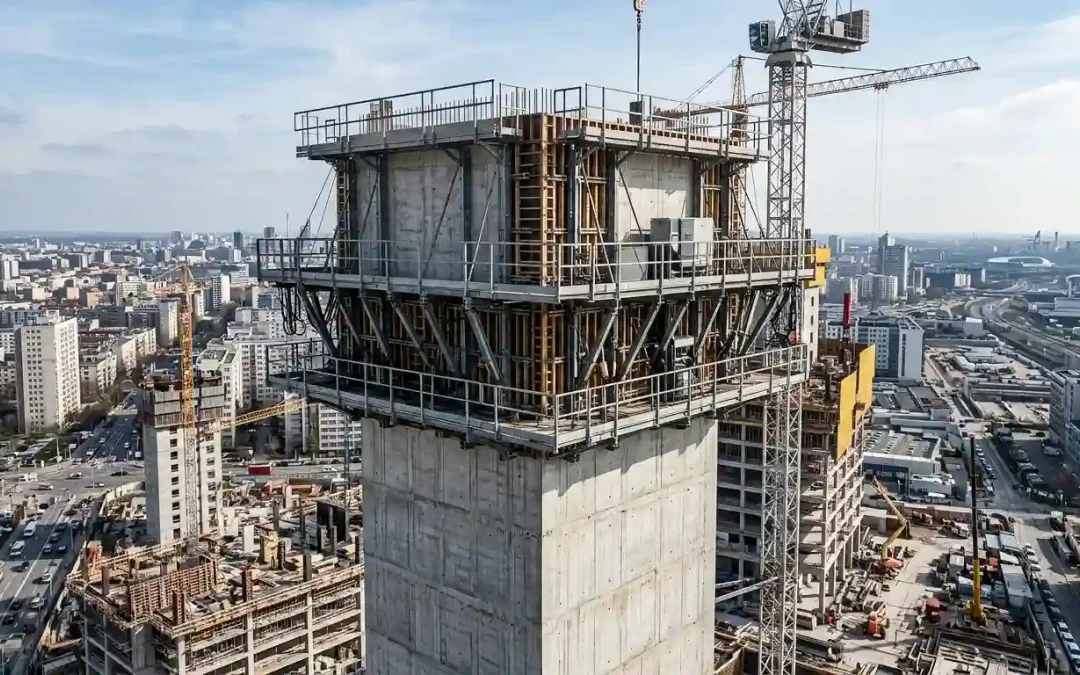
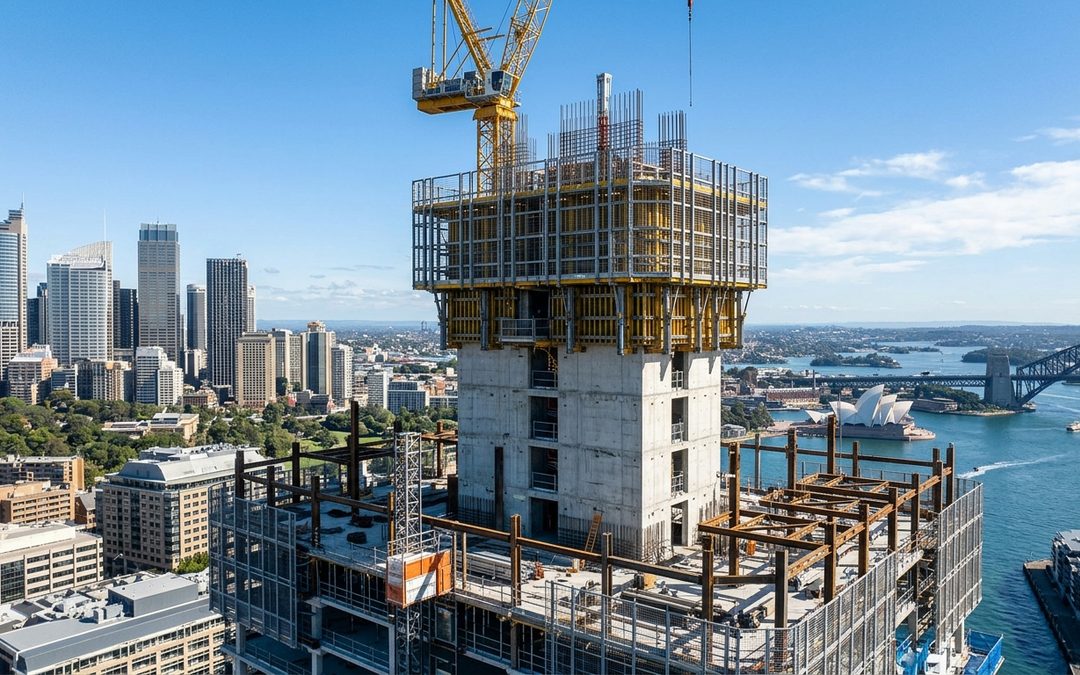
On multi-level structures, the floor cycle is the engine of the programme, and it runs on information as much as on labour. A steady cycle depends on each stage finishing cleanly so the next can start: formwork stripped and repositioned on time, reinforcement fixed and signed off without a last-minute scramble, and the pour landing in its window so curing and back-propping stay on track. Every one of those handovers is a conversation waiting to happen.
This is where treating FRP as one connected package, rather than three separate trades, really pays off. When form, reo and pour sit under a single line of communication, updates travel faster, responsibilities are clearer, and late changes are absorbed with far less disruption. At its heart, FRP coordination is just good communication applied to the structural package, floor after floor.
How Future Form supports communication across the structural package
Reliable communication takes more than good intentions. It takes experience, planning and a clear understanding of how each stage connects across the structural programme, and that’s where Future Form puts its focus. As an experienced FRP contractor, Future Form delivers integrated FRP solutions that bring form, reo and pour together under one coordinated structural package, so information doesn’t get lost in the gaps between trades.
In practice, that means keeping communication clear across builders, site supervisors, suppliers and structural trades, from early preparation and drawing reviews right through to pour completion. By spotting issues early, keeping form, reo and pour activities lined up, and making sure reinforcement, formwork and concrete match up when each stage needs them, Future Form helps cut misunderstandings, avoid needless rework and support smoother structural delivery. For builders and developers, the value is simple: fewer surprises, steadier momentum, and a more predictable path from formwork installation through to concrete placement.
Bringing it all together
Clear communication across the structural package is the quiet discipline that holds form, reo and pour together. It connects the technical, practical and logistical sides of the job into one shared understanding, and it decides whether a large-scale project builds momentum or loses it. When updates are missed, responsibilities are blurred and design changes turn up out of nowhere, projects invite avoidable delays, rework and risk. When communication is strong, the structural package becomes safer, better coordinated and far more predictable.
For builders, developers and project teams, working with FRP contractors who take communication as seriously as the concrete can make a real difference to how a job runs. If you’re planning a large-scale project and want to look at how coordinated form, reo and pour can support your programme, get in touch with the Future Form team to start the conversation. Because in construction, the best structural results still start with people talking to one another.
References
International Organization for Standardization. (2018). ISO 19650-1:2018 – Organization and digitization of information about buildings and civil engineering works, including building information modelling (BIM): Concepts and principles. https://www.iso.org/standard/68078.html
McKinsey Global Institute. (2017). Reinventing construction: A route to higher productivity. McKinsey & Company. https://www.mckinsey.com/capabilities/operations/our-insights/reinventing-construction-through-a-productivity-revolution
Project Management Institute. (2013). The high cost of low performance: The essential role of communications (Pulse of the Profession in-depth report). https://www.pmi.org/learning/thought-leadership/pulse/essential-role-communications