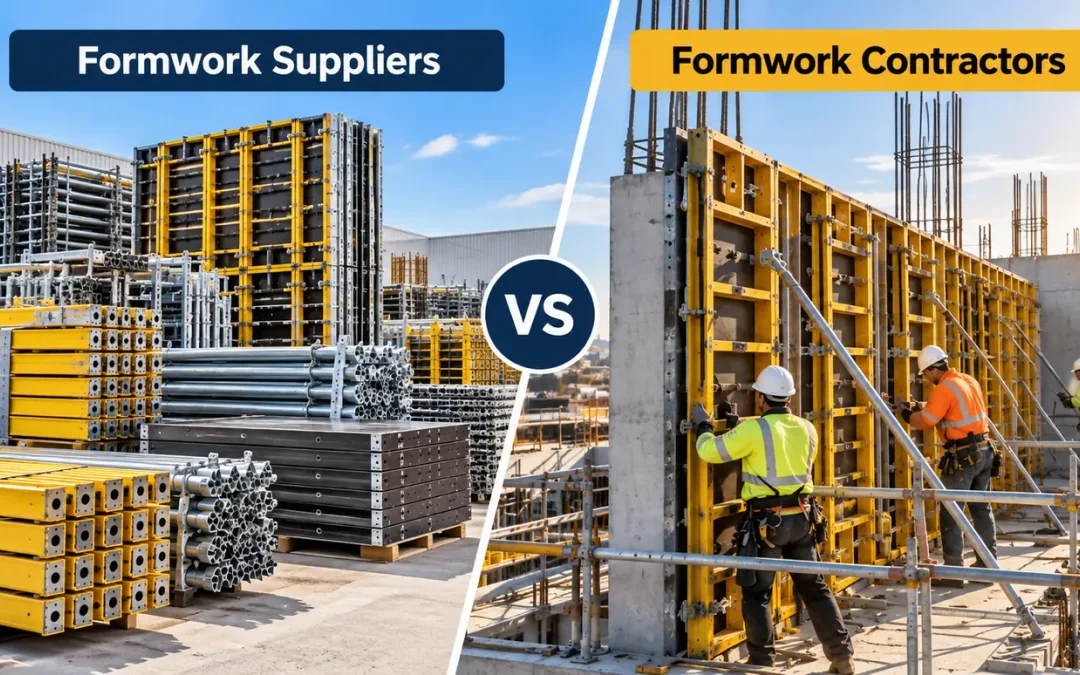
As the end of financial year approaches, many builders, developers and project teams begin reviewing budgets, closing out costs and looking for areas where savings can be made. It is a practical part of construction project management. Margins are tight, timelines are under pressure and every line item needs to be justified.
At the same time, it is also a period where the right partnerships matter. Working with an experienced FRP provider like Future Form, with a clear understanding of integrated form, reo and pour delivery, can help project teams maintain control over both cost and program. With a focus on coordinated services and a capable team behind each project, the goal is not just to deliver work, but to support smoother structural outcomes across the board.
However, not every saving is a true saving.
When it comes to FRP, choosing the cheapest option can seem like a smart commercial decision at first. A lower quote may help reduce upfront costs, satisfy EOFY budget pressure or make a structural package appear more competitive on paper. But in large-scale construction, the cheapest FRP contractor can sometimes create higher costs later in the program.
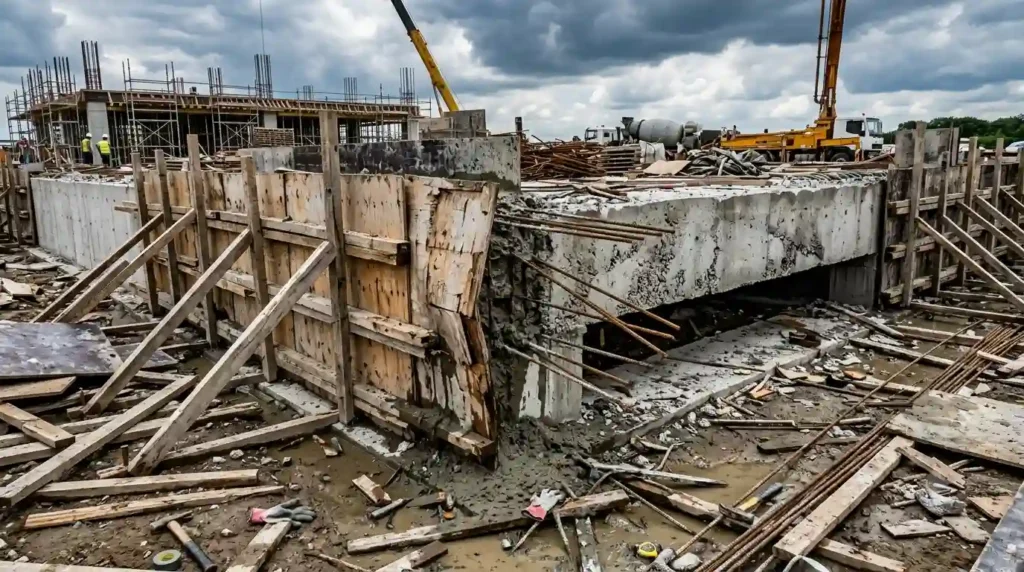
Poor formwork planning, missed reo details, rushed steel fixing, delayed concrete pours, safety concerns and rework can all turn a low-cost decision into a much larger project risk.
FRP is not just another construction line item to reduce. It is one of the key stages that supports program certainty, structural quality and smooth site delivery. When form, reo and pour are not properly coordinated, the impact can flow through multiple trades, stages and project milestones.
For builders and developers, EOFY is an important time to look beyond the number on the quote.
Why EOFY budget pressure can lead to short-term decisions
EOFY often brings a sense of urgency. Teams may be trying to finalise contracts, review unused budgets, prepare for upcoming stages or reduce projected costs before the financial year closes. In this environment, cheaper pricing can become very attractive.
Every construction project has budget expectations, reporting requirements and cost pressures, which is understandable. However, the issue begins when upfront price becomes the main decision-making factor for a structural package.
FRP involves much more than labour on site. It includes planning, sequencing, formwork methodology, reo coordination, concrete pour preparation, supervision, safety awareness and communication with the wider project team. A cheaper quote may not always include the level of management, planning or capability needed to deliver this properly.
The real risk is that the cost difference is not removed from the project. It may simply be pushed further down the program.
What looks cheaper during procurement may become more expensive through delays, rectification works, extra supervision, disrupted trades or missed pour windows. In some cases, the cost of fixing an FRP issue can be much higher than the original saving.
That is why EOFY cost reviews should not only focus on reducing spend. They should also consider value, reliability and risk.
Cheap FRP can affect the whole structural package
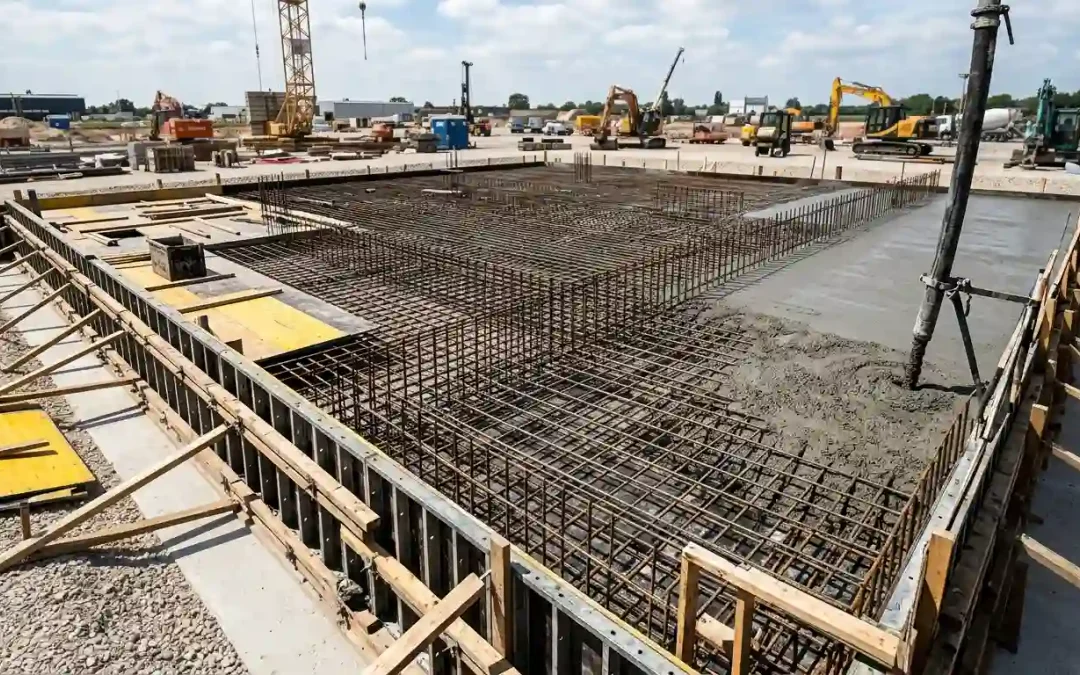
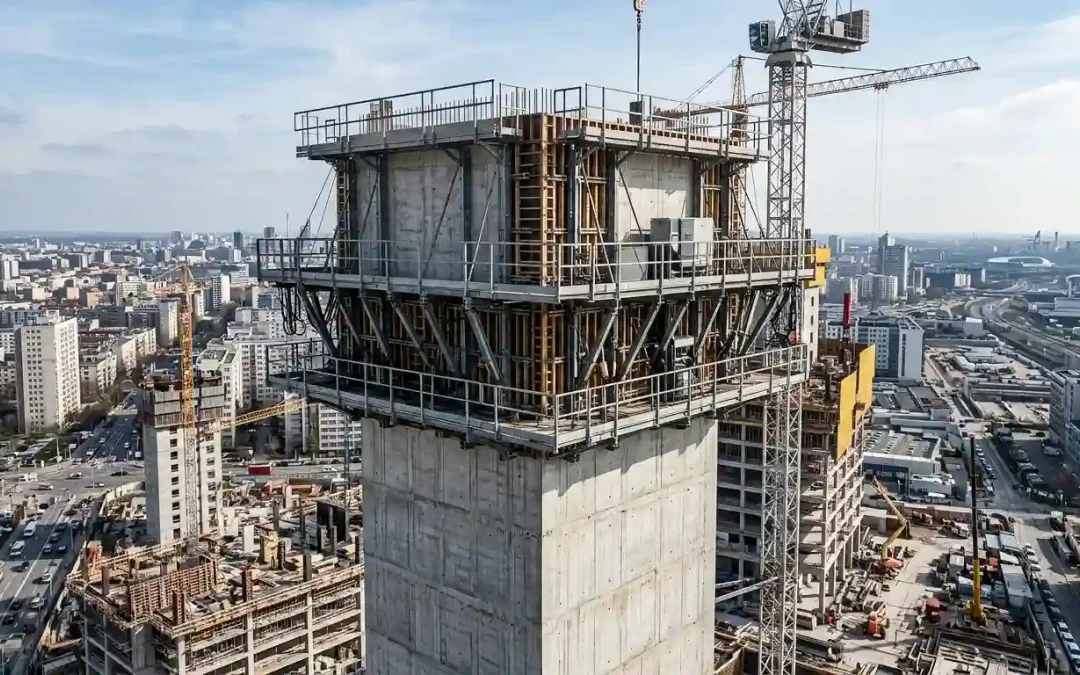
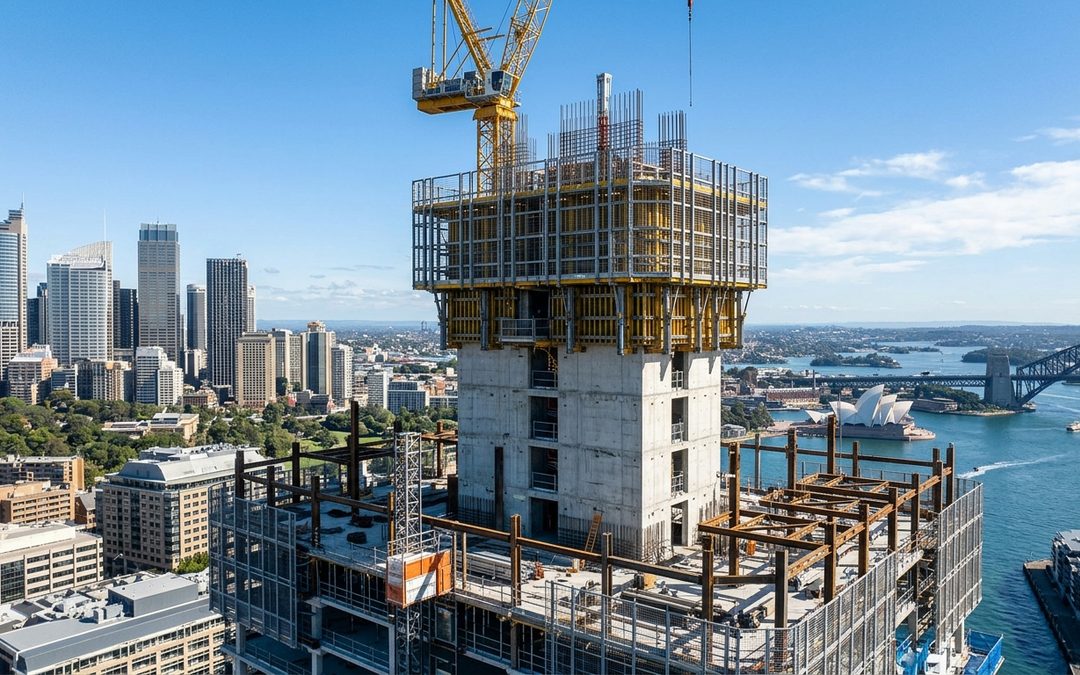
A structural package depends on each stage being delivered in the right order, to the right standard and at the right time. Formwork needs to be accurate and ready. Steel fixing needs to align with drawings and specifications. The concrete pour needs to be planned, coordinated and completed safely.
When one part of the FRP process is weak, the whole structural package can be affected.
For example, if formwork is not planned properly, the reo may not fit as intended. If reo details are missed, inspections may be delayed. If inspections are delayed, the concrete pour may need to be pushed back. If the pour is pushed back, other trades may lose access or need to reschedule their own work.
This is where cheap FRP can become costly. The issue is rarely isolated. A small saving in one trade package can create a chain reaction across the site.
On large-scale projects, certainty is valuable. Developers and builders need to know that structural works can progress with confidence. They need reliable sequencing, practical communication and a team that understands the connection between form, reo and pour.
An integrated FRP solution helps reduce these risks because the process is managed as one connected workflow, not as three separate tasks competing for attention.
The hidden cost of poor formwork planning
Formwork is one of the first areas where cheaper FRP decisions can create problems. It is easy to underestimate its importance because, once the concrete is poured and cured, much of the formwork is removed or covered. But during delivery, formwork plays a major role in safety, accuracy and productivity.
Poor formwork planning can lead to incorrect dimensions, access issues, material waste, delayed setup, difficult stripping, additional labour and rework. It can also create unnecessary pressure during pour preparation.
In a busy site environment, a formwork issue does not only affect the formwork team. It can delay steel fixing, hold up inspections and create confusion for supervisors and engineers.
Good formwork planning considers more than the shape of the concrete element. It considers how the area will be accessed, how the formwork will be installed, how it will interact with reo, how it will support the pour and how it will be removed safely afterwards.
A cheap FRP contractor may still be able to provide labour, but the question is whether they can provide the planning and coordination required to protect the program.
For developers and builders, this is where value matters. Strong formwork planning helps reduce uncertainty before it becomes a problem on site.
Missed reo details can become expensive very quickly
Reo is another area where low-cost decisions can have a serious impact. Steel fixing is detailed work. It requires accuracy, care and a clear understanding of drawings, sequencing and inspection requirements.
When reo is rushed or poorly coordinated, mistakes can occur. Bars may be placed incorrectly, laps may be missed, spacing may not align with specifications or penetrations may not be properly allowed for. Even small errors can result in failed inspections, delays or rework.
Rework in reo is rarely convenient. It often happens at the worst possible time, when the project team is preparing for a concrete pour and multiple trades are already working around a tight schedule.
This can lead to extra labour, additional supervision, delayed pours and pressure on the wider program. In some cases, missed reo details can also create quality concerns that require further review.
The cheapest FRP quote may not allow enough time for proper checking, coordination or experienced steel fixing supervision. While the upfront cost may look appealing, the project may later pay for that saving through delays and disruption.
Quality steel fixing is not only about placing steel. It is about making sure the structural package is ready to move forward with confidence.
Delayed concrete pours can disrupt more than one day
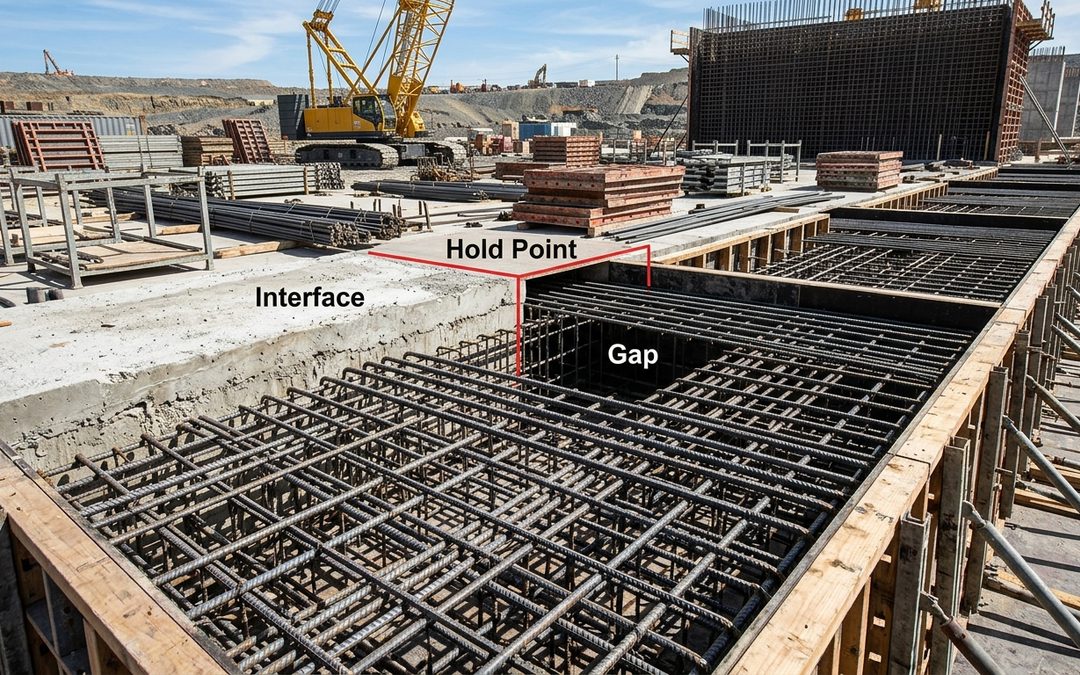
A concrete pour is often seen as a milestone. It marks visible progress and allows the next stage of work to begin. However, a pour depends on many things being ready at the same time. Formwork must be complete. Reo must be installed and checked. Access, concrete supply, labour, equipment and inspections must all align.
When cheap FRP leads to poor coordination, the pour can be delayed.
A delayed concrete pour can affect more than one day of work. It may require rescheduling concrete supply, reorganising labour, delaying following trades and adjusting site access. If the delay occurs close to EOFY or during a busy delivery period, it can create additional pressure on reporting, claims and program commitments.
There is also a practical site impact. Crews may be waiting. Supervisors may need to shift priorities. Other trades may lose their planned workfront. These issues can reduce productivity and create frustration across the project team.
In construction, timing is money. A reliable FRP contractor understands that a concrete pour is not an isolated activity. It is part of a larger delivery sequence that needs to be protected.
Safety risks should never be part of the saving
Safety is one of the clearest reasons why cheap FRP can cost more later. Formwork, reo and concrete works involve physical risk, heavy materials, temporary structures, access requirements and coordination between multiple workers.
When pricing is pushed too low, there is a risk that safety planning, supervision, training or preparation may be compromised. This is not a saving. It is a liability.
Safe FRP delivery requires proper systems, clear communication and experienced teams who understand site conditions. It also requires enough time to plan and execute the work properly.
Rushed formwork, poorly managed access, cluttered reo areas or last-minute pour preparation can create avoidable hazards. Even when an incident does not occur, unsafe conditions can result in stoppages, inspections, corrective actions and lost productivity.
For builders and developers, safety performance is closely linked to project performance. A safe site is usually a better coordinated site. A better coordinated site is more likely to maintain program certainty.
Choosing FRP based only on price can increase exposure to risks that no project team wants to carry.
Cheap upfront can mean expensive rework later
Rework is one of the most frustrating hidden costs in construction. It consumes time, labour, materials and management attention without moving the project forward.
In FRP, rework can come from incorrect formwork dimensions, missed reo details, poor set-out, lack of coordination, failed inspections or rushed pour preparation. The direct cost may include extra labour and materials, but the indirect cost can be even greater.
Rework can affect the project schedule, disrupt trade sequencing, delay claims, reduce confidence and place pressure on relationships between contractors, builders and consultants.
At EOFY, project teams often focus on financial reporting and cost control. However, rework is a reminder that the lowest price does not always deliver the lowest total cost.
A quality FRP contractor helps reduce the likelihood of rework by planning properly, coordinating early and understanding how each stage affects the next. This is especially important on complex or large-scale projects where small mistakes can create larger consequences.
The aim should not be to pay more for the sake of it. The aim should be to choose an FRP partner who can deliver value beyond the initial quote.
Integrated FRP solutions protect program certainty
Integrated FRP solutions bring form, reo and pour together as one coordinated process. Instead of treating formwork, steel fixing and concrete as separate activities, integrated delivery focuses on how each stage supports the next.
This approach can improve communication, reduce gaps between trades and create clearer accountability. It also helps the project team identify issues earlier, before they become delays on site.
For example, if the formwork team understands the reo requirements from the beginning, they can plan access, setup and sequencing more effectively. If steel fixing is coordinated with the pour program, inspection readiness can be managed more smoothly. If concrete placement requirements are considered early, the team can reduce last-minute pressure before the pour.
This is why integrated FRP solutions are valuable for builders and developers. They support a more predictable structural package and help reduce avoidable disruption.
During EOFY, integrated FRP should be seen as a long-term cost control measure. It may not always be the cheapest option upfront, but it can help reduce the costs that appear later through delays, rework and poor coordination.
What builders and developers should consider before choosing cheap FRP
When reviewing FRP pricing, it is useful to look beyond the total figure and consider what is included in the delivery approach.
Builders and developers should ask whether the contractor has the experience to manage the full form, reo and pour sequence. They should consider whether the team understands structural package delivery, site coordination and inspection readiness. They should also look at supervision, communication, safety systems and the ability to support changing site conditions.
A cheaper quote may still be suitable in some cases, but only if it provides the right level of capability and reliability. The concern is not low pricing by itself. The concern is low pricing that removes the planning, coordination and quality control needed to deliver the work properly.
A strong FRP decision should help answer these questions:
- Will the contractor help protect the program?
- Will the team coordinate formwork, steel fixing and concrete effectively?
- Will they reduce the chance of rework?
- Will they support safe and efficient site delivery?
- Will they provide confidence beyond EOFY?
- These questions help shift the conversation from price to value.
Ultimately, selecting the right FRP partner is about ensuring the project can move forward with certainty, not just meeting a short-term budget target. By focusing on capability, coordination and long-term outcomes, builders and developers can make decisions that support both immediate financial goals and the overall success of the project.
Why FRP should be viewed as an investment, not just a cost
FRP sits at the centre of structural progress. Without accurate formwork, compliant reo and well-planned concrete pours, the project cannot move forward smoothly.
This is why FRP should be viewed as an investment in program certainty, not just a cost to reduce. A reliable FRP partner can help protect timelines, maintain quality, support safety and reduce avoidable delays.
In many projects, the cost of poor FRP becomes visible only after the decision has already been made. By then, the project may be dealing with missed pour dates, additional labour, engineering queries, inspection issues or strained coordination between trades.
EOFY budget pressure can make short-term savings feel urgent. But large-scale construction requires long-term thinking. The best decision is not always the cheapest decision. It is the decision that helps the project stay controlled, coordinated and commercially stable.
How Future Form supports smarter FRP decisions
In a market where reliability and coordination directly impact project outcomes, choosing the right FRP contractors becomes critical.
Future Form understands that builders and developers need more than labour on site. They need a dependable FRP partner who can support the structural package from planning through to delivery.
Through coordinated formwork, steel fixing and concrete pour support, Future Form helps clients approach FRP as an integrated process. This can reduce avoidable delays, improve communication and support better control over project outcomes.
The goal is not simply to complete one stage of work. It is to help the wider project move forward with confidence.
During EOFY, when budgets are being reviewed and future stages are being planned, this kind of reliability matters. Choosing the right FRP contractor can help protect project quality, reduce unnecessary disruption and support stronger long-term cost control.
For developers, construction professionals, industry partners, suppliers and clients, the message is clear: cheap FRP may reduce the number on the page, but quality FRP can help protect the project behind it.
Final thoughts on EOFY and cheap FRP
EOFY is a valuable time to review budgets, contracts and upcoming project requirements. It is also a good time to think carefully about how cost decisions may affect future delivery.
Cheap FRP can be tempting, especially when budgets are under pressure. However, if the lower price leads to poor formwork planning, missed reo details, delayed concrete pours, rework or safety concerns, the project may end up paying more later.
A strong FRP decision should support program certainty, site safety, structural quality and long-term cost control.
For large-scale projects, form, reo and pour are too important to treat as a simple cost-cutting opportunity. With the right planning, coordination and delivery partner, FRP becomes a smarter investment in the success of the whole structural package.
If you are reviewing your EOFY budgets or planning upcoming structural works, it may be worth having a conversation about how your FRP approach can better support your project outcomes. Future Form works with builders and developers to deliver integrated form, reo and pour solutions that prioritise reliability, safety and program certainty. To learn more or discuss your next project, you can get in touch with our team here as a proactive conversation today can help keep your project on track throughout EOFY time.
References
Australian Constructors Association. (n.d.). Publications. Retrieved from https://www.constructors.com.au/publications/
Safe Work Australia. (2014). Formwork and falsework: General guide. Retrieved from https://www.safeworkaustralia.gov.au/
SafeWork NSW. (2020). Formwork code of practice. Retrieved from https://www.safework.nsw.gov.au/
Standards Australia. (2018). AS 3600:2018 Concrete structures. Retrieved from https://www.standards.org.au/
Australian Building Codes Board. (2025). National Construction Code. Retrieved from https://ncc.abcb.gov.au/