On large-scale construction projects, the structural package is one of the most important parts of the entire build. It sets the pace for what follows, affects how trades move through site, and plays a major role in whether the project stays on track. When the structure moves well, the rest of the programme has a stronger foundation. When it does not, delays can quickly flow into finishing trades, services, access, safety and overall project delivery.
This is where FRP coordination becomes so important.
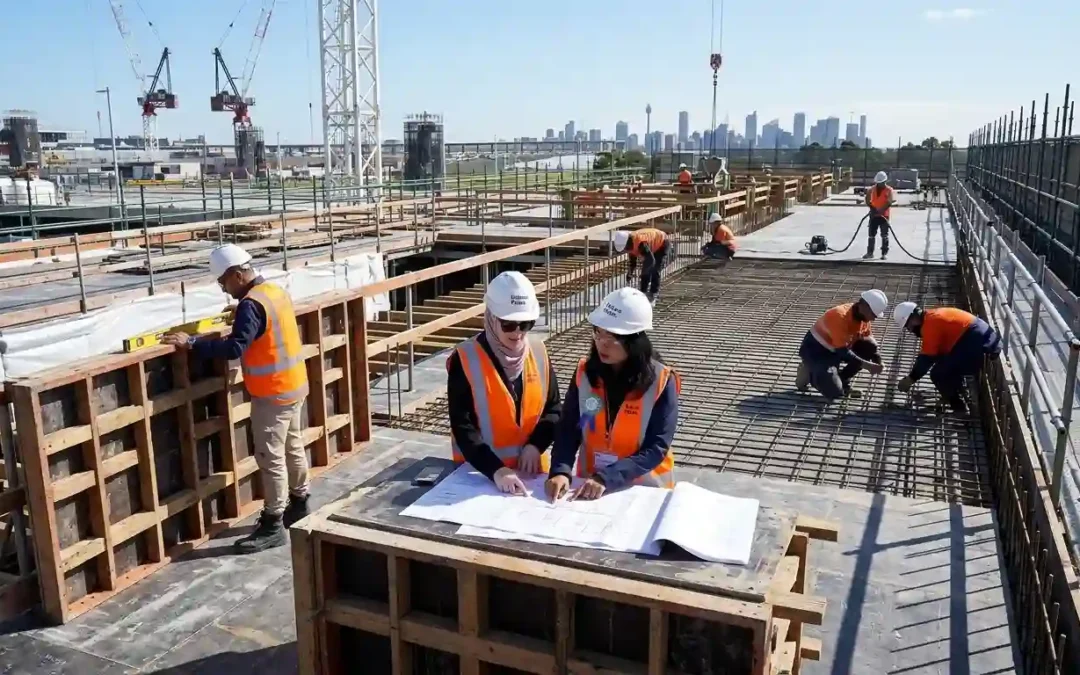
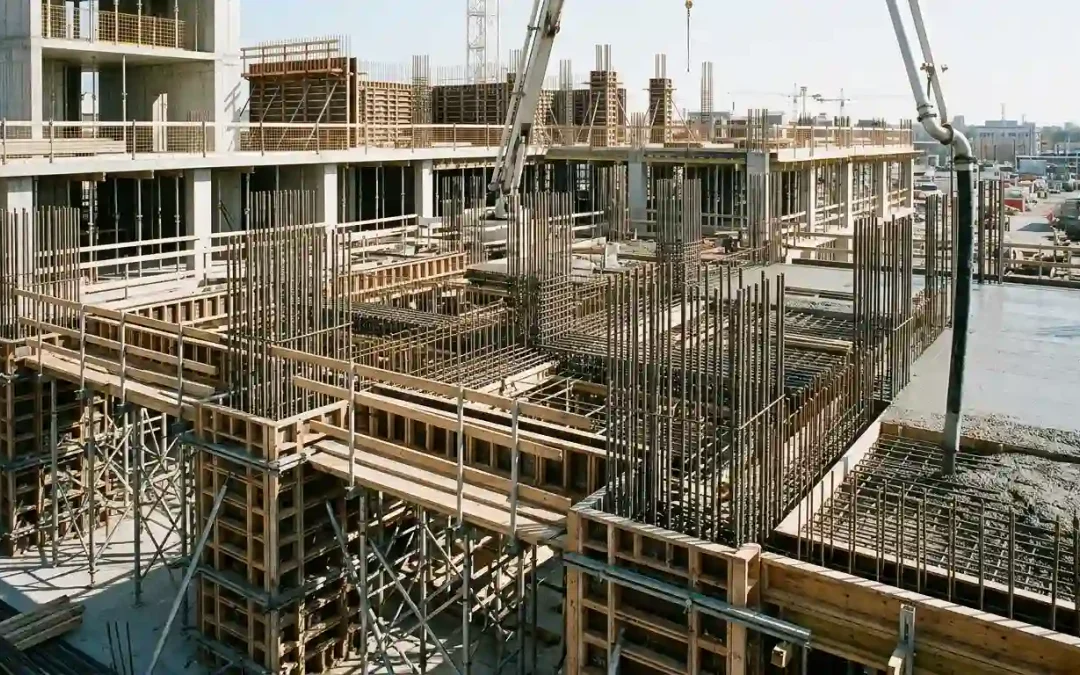
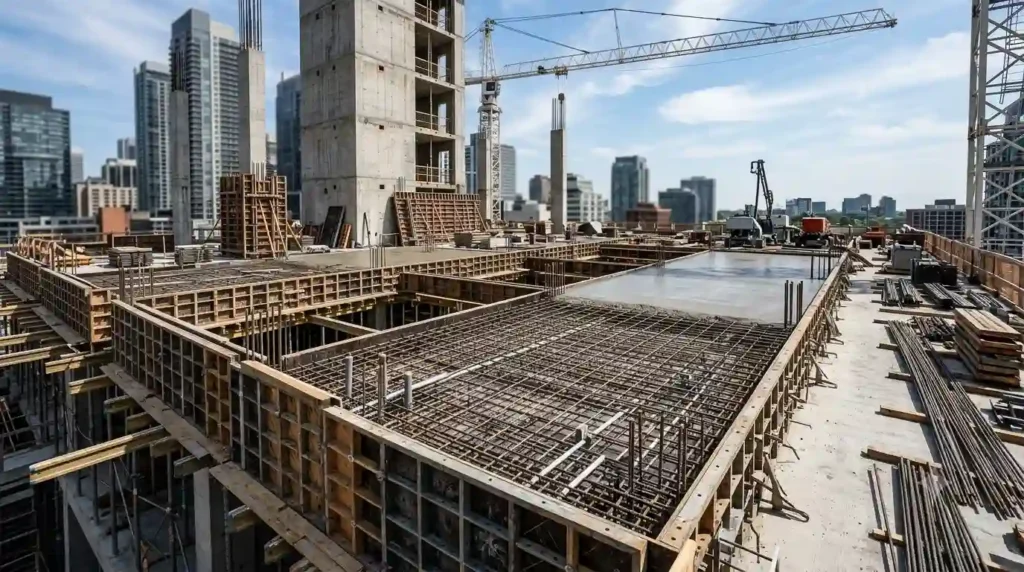
In construction, FRP refers to form, reo and pour. It brings together formwork, steel fixing and concrete placement into one connected process. While each stage has its own technical requirements, they cannot be treated as separate tasks on large-scale projects. The form must be ready for the reo. The reo must be fixed accurately before inspection. The pour must be timed around access, labour, weather, pump availability, concrete supply and site conditions.
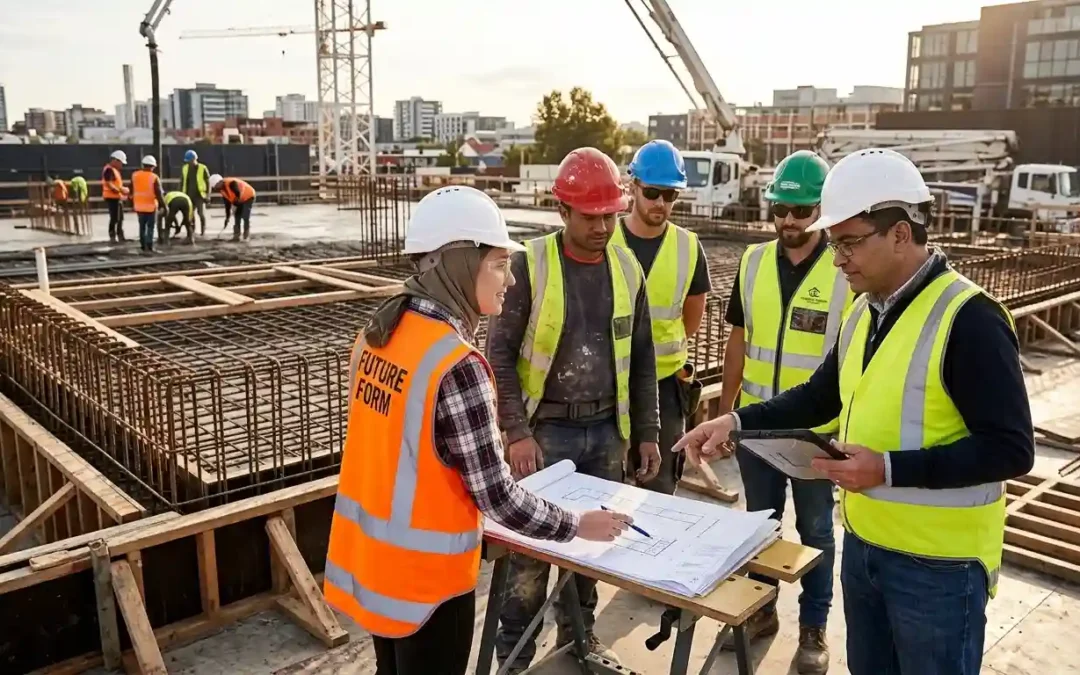
Future Form is an experienced FRP contractor supporting large-scale projects through integrated form, reo and pour solutions. With a strong focus on coordination, practical delivery and site efficiency, the team works closely with builders and developers to manage the structural package from early planning through to completion. By combining technical expertise with hands-on experience, Future Form helps create a more structured and reliable approach to FRP delivery across complex construction environments.
From planning to pour, full FRP coordination helps builders, developers and project teams manage these moving parts with more structure and confidence. It turns a complex sequence into a clearer delivery pathway.
Why FRP is more than a trade package
It can be easy to view FRP as one of many trade packages on a project. In reality, it is much more than that. FRP is a major part of the structural package and often sits at the centre of the construction programme.
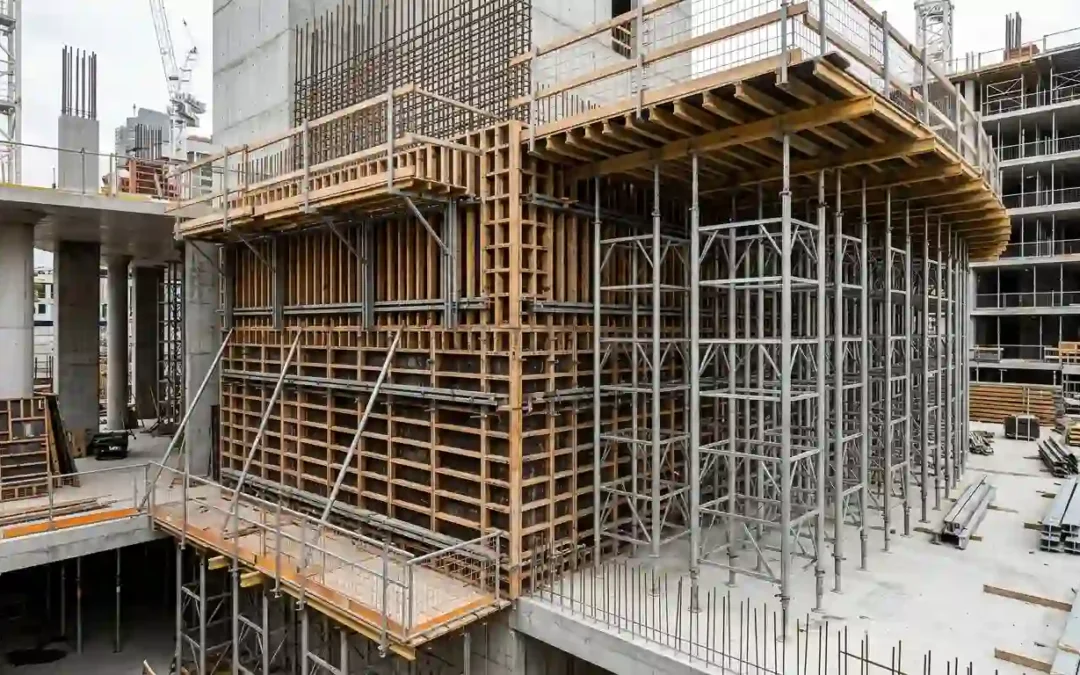
Formwork creates the temporary mould and support system for concrete elements. Reo, or reinforcement, gives the structure strength and durability. The pour then brings the designed element to life through the placement and finishing of concrete. If one stage is delayed, incomplete or poorly coordinated, the next stage cannot proceed properly.
For example, a drawing issue discovered during steel fixing can delay inspection. A late inspection can delay the concrete pour. A delayed pour can shift the next deck, wall, column or core stage. On a large-scale project, even one small disruption can affect multiple teams and programme milestones.
This is why experienced FRP contractors focus on the full sequence, not just the individual task in front of them. Strong FRP coordination considers drawings, labour, access, sequencing, safety, materials, inspections and communication as part of one connected workflow.
The role of early preparation in FRP coordination
Good FRP coordination begins well before workers arrive on site. Early preparation gives the team time to understand the project, identify risks and set clear expectations around delivery.
This stage often includes reviewing structural drawings, understanding construction methodology, confirming pour sequences, assessing access requirements, checking material lead times and planning labour resources. For large-scale projects, this preparation is especially important because structural zones may need to move in a repeated and predictable rhythm.
Early preparation also allows the FRP team to identify buildability issues. A detail that looks simple on paper may be difficult to execute on site if access is limited, reinforcement is congested or pour sequencing is unclear. By reviewing these issues early, the project team has more time to resolve them before they become delays.
This is one of the major benefits of integrated FRP solutions. When form, reo and pour are considered together, project teams can make better decisions earlier. Instead of solving problems trade by trade, they can look at how each decision affects the full structural sequence.
Drawing reviews and technical coordination
Drawings are the foundation of FRP delivery. Structural drawings, formwork layouts, reinforcement details, penetrations, set-downs, construction joints and pour breaks all need to be understood clearly before work begins.
On large-scale projects, drawing reviews are not just a box-ticking exercise. They are a critical coordination step. The FRP team needs to understand what is being built, how it will be formed, where reinforcement needs to be placed and how the concrete will be poured.
This is where communication between builders, engineers, FRP contractors and site supervisors becomes essential. If there are clashes, unclear details or sequencing concerns, they need to be raised early. Delayed clarification can slow down site productivity and create unnecessary pressure during the build.
Most countries use strict design, construction and safety requirements for concrete structures, formwork and reinforcement. These requirements help guide safe construction practice, structural integrity and quality control. Formwork and falsework guidance, for example, highlights the importance of competent design, construction, inspection and removal processes for temporary works.
For Future Form, drawing reviews are an important part of supporting coordinated FRP delivery. By understanding the design intent and practical site conditions, the team can help builders move from planning to pour with fewer surprises.
Sequencing form, reo and pour
Sequencing is one of the most important parts of FRP coordination. It determines the order in which work is carried out and how each stage connects to the next.
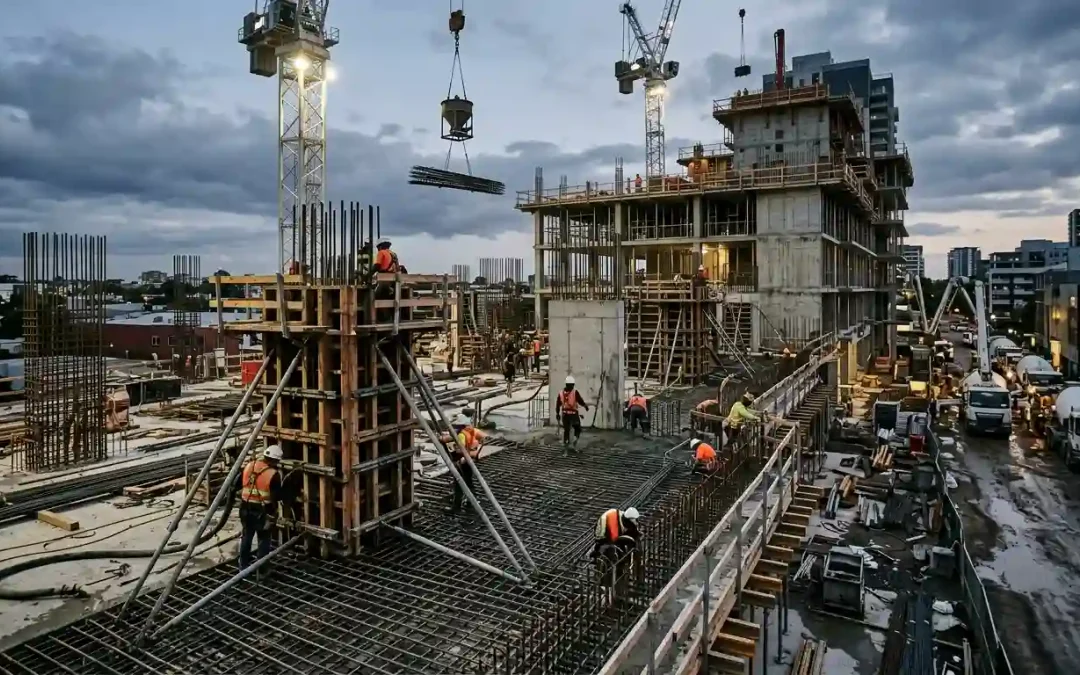
In a simple sense, the sequence may appear straightforward: form first, reo second, pour third. On large-scale projects, however, the reality is more complex. Multiple work zones may be active at the same time. One area may be in formwork, another in steel fixing, another waiting for inspection and another ready for concrete.
This overlapping activity requires careful planning. Labour must be allocated properly. Materials must be available when needed. Crane time, concrete pumps, access zones and safety controls must be coordinated. Site supervisors need to understand what is happening now, what is coming next and what could affect the next stage.
A coordinated FRP sequence helps reduce downtime between stages. When the formwork team, steel fixing team and concrete team are aligned, the project can move with better rhythm. This is especially valuable on high-volume structural works where repeated cycles determine overall productivity.
Labour coordination and site flow
Labour coordination is another major part of successful FRP delivery. Large-scale projects rely on the right workers being in the right place at the right time. If too few workers are allocated, progress slows. If too many workers are placed in one zone without proper sequencing, the site can become crowded and inefficient.
FRP coordination helps balance labour across form, reo and pour activities. It allows supervisors to plan ahead, move crews between zones and respond to changing site conditions. It also helps avoid clashes with other trades, plant movements and access requirements.
Good site flow is not only about speed. It is also about safety and quality. When crews understand the sequence, they can work with more confidence and less confusion. Clear communication reduces the risk of rework, missed details and unsafe shortcuts.
Industry research continues to show that collaboration is one of the key drivers of productivity in the construction sector, particularly where complex delivery environments require multiple parties to work together.
Steel fixing accuracy and quality control
Steel fixing is one of the most detail-driven parts of FRP. Reinforcement must be placed correctly to meet structural requirements. Bar spacing, laps, cover, starter bars, ligatures, penetrations and congestion all need to be managed carefully.
Poor steel fixing accuracy can create major issues. It may lead to failed inspections, rework, pour delays or structural concerns. On large-scale projects, these issues can affect more than one area of the programme.
This is why reo coordination should not be rushed. The steel fixing team needs clear drawings, accurate set-out, proper supervision and enough time to complete the work correctly. Inspections should also be scheduled in a way that supports the pour programme without creating unnecessary pressure.
When Future Form delivers integrated FRP solutions, steel fixing is treated as a key part of the wider structural package. It is not only about placing reinforcement. It is about making sure the reo works with the formwork, inspection requirements and concrete pour timing.
Inspection readiness before the pour
Before any concrete pour can proceed, the work must be checked and approved. This may include internal checks, engineer inspections, safety reviews and site readiness assessments.
Inspection readiness is a major part of planning to pour. If the formwork is incomplete, reo is not finished, penetrations are missed or access is not safe, the pour may need to be delayed. That delay can then affect concrete bookings, pump availability, labour allocation and the next stage of work.
A coordinated FRP approach helps reduce the risk of last-minute problems. Site teams can work through pre-pour checklists, confirm that drawings have been followed, check that reinforcement is complete and ensure the pour area is ready.
Safe work guidance for formwork and concrete placement also highlights the need for controlled processes, competent supervision and safe exclusion zones during concrete placement.
For builders and developers, this level of readiness provides greater confidence. It means the project is not relying on chance at the most critical moment of the cycle.
Pour timing and concrete coordination
Concrete placement is often the most visible stage of FRP delivery, but it depends on everything that comes before it. A successful pour requires the right preparation, the right timing and the right coordination between the site team, concrete supplier, pump operator and finishing crew.
Pour timing can be affected by access, weather, traffic, supplier availability, inspection approvals, labour resources and site conditions. On large-scale projects, these factors need to be managed carefully because a delayed or poorly coordinated pour can impact multiple follow-on works.
Concrete coordination also includes understanding pour size, placement method, finishing requirements, curing considerations and construction joints. The aim is not simply to place concrete, but to deliver the structural element safely, efficiently and to the required quality.
This is where an experienced FRP contractor adds real value. By managing the connection between form, reo and pour, the contractor can help reduce uncertainty and keep the structural cycle moving.
Communication across the structural package
Communication is one of the most important parts of full FRP coordination. Drawings, schedules and programmes are important, but they only work when the people on site are aligned.
Builders, site managers, engineers, supervisors, FRP contractors, concrete suppliers and other trades all need clear information. They need to know what is happening, what has changed, what is delayed and what needs to be prioritised.
Poor communication can lead to duplicated work, missed inspections, incorrect sequencing and programme confusion. Strong communication helps everyone understand the plan and respond quickly when conditions change.
For large-scale projects, this is especially important because decisions often need to be made quickly. A small issue in one zone can affect work in another. The better the communication, the faster the team can respond.
Future Form’s approach to FRP coordination is built around this practical understanding. By keeping form, reo and pour connected, the team helps create a more structured site environment where information flows more clearly.
Reducing delays through integrated FRP solutions
Delays in FRP can be expensive because they affect the structural programme. When the structure slows down, other trades may be held back. Access dates can shift. Crane time may need to be adjusted. Labour may need to be rescheduled.
Integrated FRP solutions help reduce these risks by bringing the key structural activities under a more coordinated process. Instead of managing formwork, steel fixing and concrete delivery as disconnected tasks, the project team can approach them as one sequence.
This does not remove every risk. Construction will always involve changing site conditions, weather impacts, design clarifications and logistical challenges. However, strong FRP coordination gives the team a better chance of identifying issues early and managing them before they become major delays.
Productivity remains a major focus across the construction industry, with reports continuing to point to the cost of delays, rework and poor coordination.
For builders and developers, the value is clear. A coordinated FRP contractor can support better site flow, clearer sequencing and more reliable structural progress.
Why full FRP coordination matters on large-scale projects
Large-scale projects need more than manpower. They need structure, systems and coordination. The bigger the project, the more important it becomes to manage each stage carefully.
Full FRP coordination supports this by connecting the early preparation, drawing reviews, sequencing, labour planning, steel fixing, inspections and concrete pours into one delivery process.
It also helps protect the quality of the structural package. When form, reo and pour are coordinated properly, there is less room for confusion and rework. The project team can move with more confidence because each stage has been considered in relation to the next.
This is why FRP should not be treated as a simple trade package. It is a critical part of the structural delivery strategy.
How Future Form supports FRP coordination
Strong FRP coordination requires experience, planning and a clear understanding of how each stage connects across the structural programme.
Future Form supports large-scale projects through practical, integrated FRP solutions. As an experienced FRP contractor, Future Form understands how formwork, steel fixing and concrete delivery need to work together to support the wider project programme.
The team can help builders improve site flow, reduce structural delays and manage each stage with greater confidence. From early preparation through to pour completion, Future Form’s approach focuses on coordination, communication and reliable delivery.
This is especially valuable for projects where timing, quality and sequencing are critical. By bringing form, reo and pour together under one coordinated approach, Future Form helps project teams manage the structural package with greater clarity.
Bringing it all together
From planning to pour, FRP coordination plays a major role in the success of large-scale projects. It connects the technical, practical and logistical parts of structural delivery into one clear process.
When form, reo and pour are managed separately, projects can face avoidable delays, miscommunication and rework. When they are coordinated properly, the structural package becomes more predictable, efficient and easier to manage.
For builders, developers and project teams, working with experienced FRP contractors can make a real difference. Full FRP coordination supports better site flow, stronger communication and more confident delivery from one stage to the next.
Future Form’s integrated FRP solutions are designed to support this outcome, helping large-scale projects move from planning to pour with greater control, clarity and confidence.
If you are planning a large-scale project and want to explore how coordinated FRP delivery can support your programme, you can get in touch with the Future Form team to start the conversation. A clear plan today can help avoid delays tomorrow.
Because in construction, the strongest results come from getting the structure right from the very beginning.
References
Australian Constructors Association. (n.d.). Publications. Retrieved July 9, 2026, from https://www.constructors.com.au/publications/
Australian Constructors Association. (2023). Submission 73: Productivity inquiry. Productivity Commission. Retrieved July 9, 2026, from https://assets.pc.gov.au/__data/assets/pdf_file/0012/341130/sub073-productivity.pdf
Infrastructure Australia. (2024). 2024 infrastructure market capacity report. Retrieved July 9, 2026, from https://www.infrastructureaustralia.gov.au/reports/2024-infrastructure-market-capacity-report
Safe Work Australia. (2014). Formwork and falsework: General guide. Retrieved July 9, 2026, from https://www.safeworkaustralia.gov.au/system/files/documents/1702/formwork-falsework-general-guide.pdf
SafeWork NSW. (2020). Code of practice: Formwork. Retrieved July 9, 2026, from https://www.safework.nsw.gov.au/__data/assets/pdf_file/0004/845887/Formwork-code-of-practice.pdf