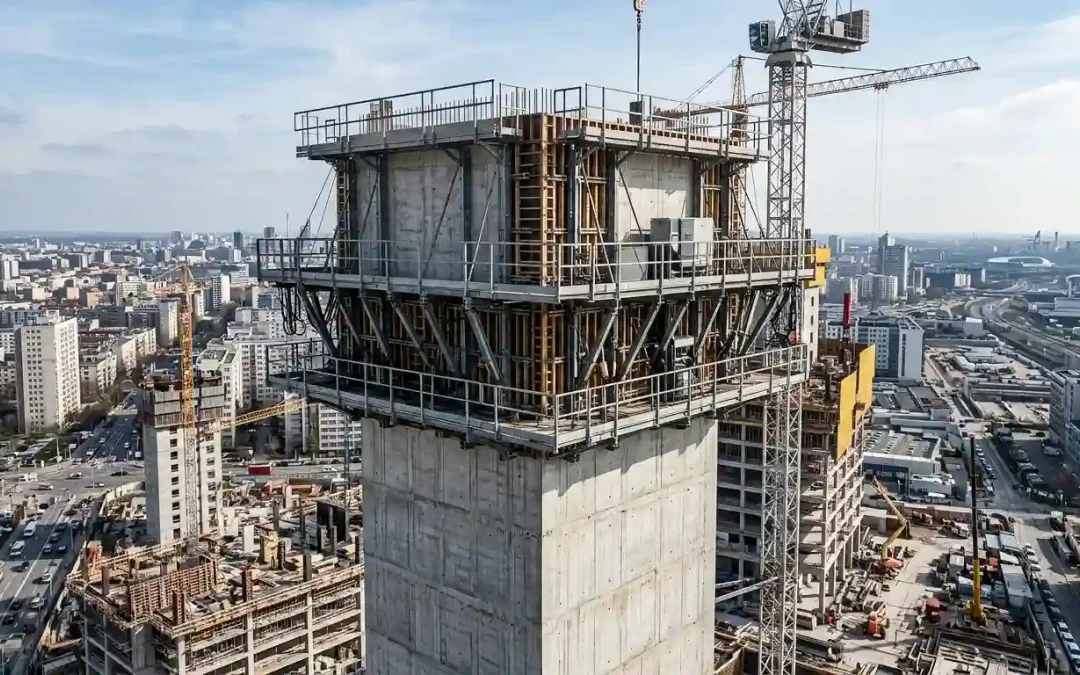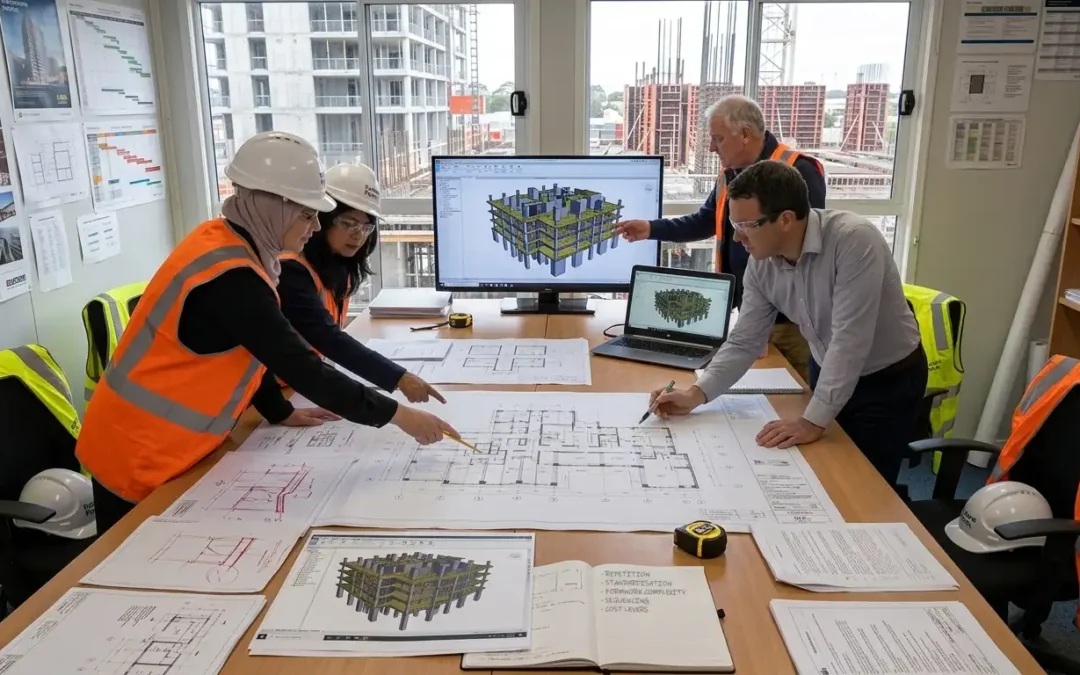
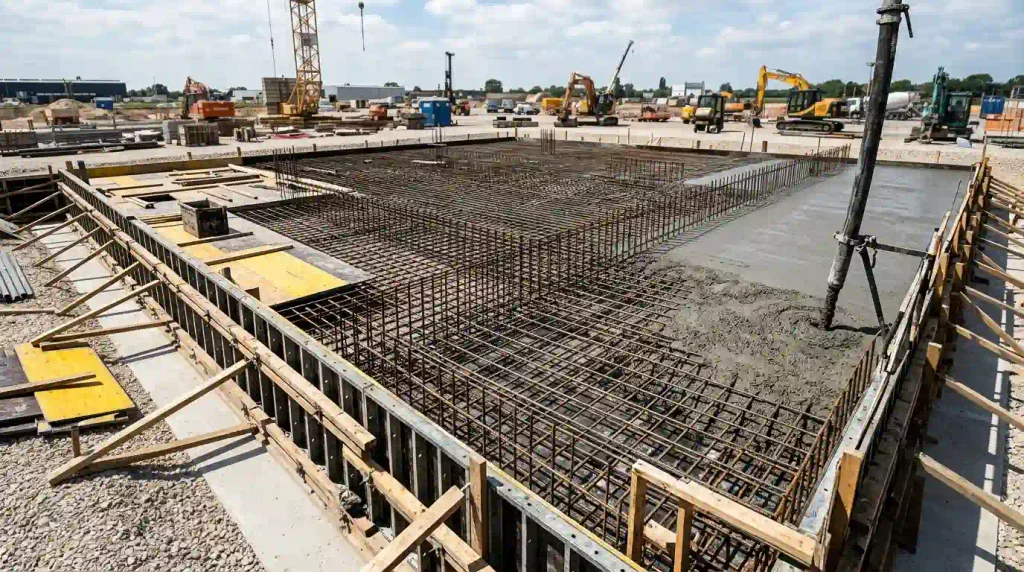
The form, reo, pour sequence (FRP) is the coordinated progression of a slab from formwork, through reinforcement and pre-pour readiness, to concrete placement and the work that prepares the next level. It is not three trades working one after another. Each stage’s readiness sets the timing of the next, which is why slab cycle construction is won or lost at the interfaces.
Key takeaways
- Form, reo and pour are interconnected stages of one slab cycle, not isolated trade packages.
- A hold point stops the next activity until a required inspection or approval is closed.
- Delays usually occur at interfaces between activities, such as late penetrations, open RFIs or reo that misses the inspection window.
- Cycle time is project-specific. No single number of days applies to every high-rise slab.
- A realistic cycle commitment depends on stated assumptions about information, access, supply and approvals.
How does a slab cycle run from start to finish?
The sequence below is a general pattern for a high-rise slab, not a universal procedure. Structural design, slab geometry, formwork system, project methodology and the builder’s sequencing all change the detail.
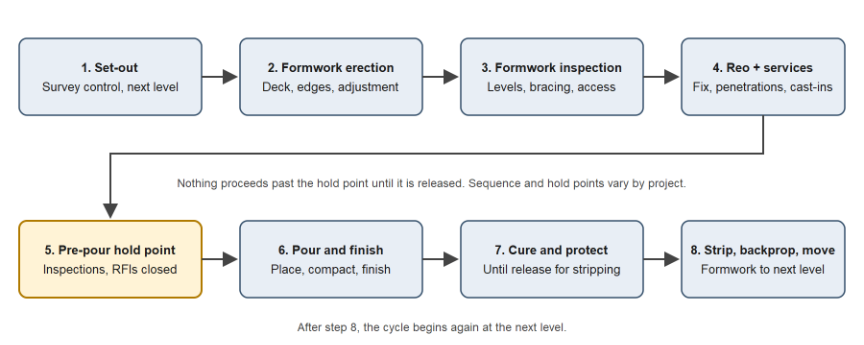
Set-out fixes formwork positions. Formwork is erected, adjusted and inspected. Reinforcement is delivered and fixed alongside penetrations and cast-ins. The pre-pour inspection closes open RFIs and defects, and the slab is released. Concrete is placed and finished, cured, then stripped and backpropped before the formwork moves up.
What happens during the formwork stage?
Formwork starts the cycle and sets the pace for everything after it. Set-out is checked first, because an error in line or level carries through every later stage. Deck, edge and any beam formwork are then erected and adjusted to levels and tolerances, with access and edge protection in place. Slab formwork systems differ, and the right one depends on geometry, height, programme and safety requirements.
Formwork readiness matters because reo cannot be fixed onto a deck that is still moving. The formwork inspection is the first gate. AS 3610.1 covers formwork for concrete, and Safe Work Australia’s formwork and falsework guidance points to inspection before formwork is loaded.
How does reinforcement fit into the slab cycle?
Reinforcement is where a good formwork start is often lost. Bars must be scheduled, detailed, delivered and fixed in the order the deck is released. Steel fixing covers bottom and top mats, beam cages, starter bars, laps and cover, and congestion around columns and penetrations slows all of it. Design to AS 3600 sits with the engineer; the crew’s job is to build to the approved schedule.
If delivery, fixing or approved information is out of step with the formwork, reo becomes the programme constraint and the pour date moves.
Why must penetrations and services be coordinated before the pour?
Because concrete covers everything. Hydraulic, electrical, mechanical and fire services all need openings, sleeves or cast-ins, and each touches formwork and reo. A sleeve confirmed after the bars are tied means cut or re-fixed steel, which only the engineer can approve. A penetration register lets services and structure be checked together. Requirements vary by project, but coordinate before the pre-pour inspection, not during it.
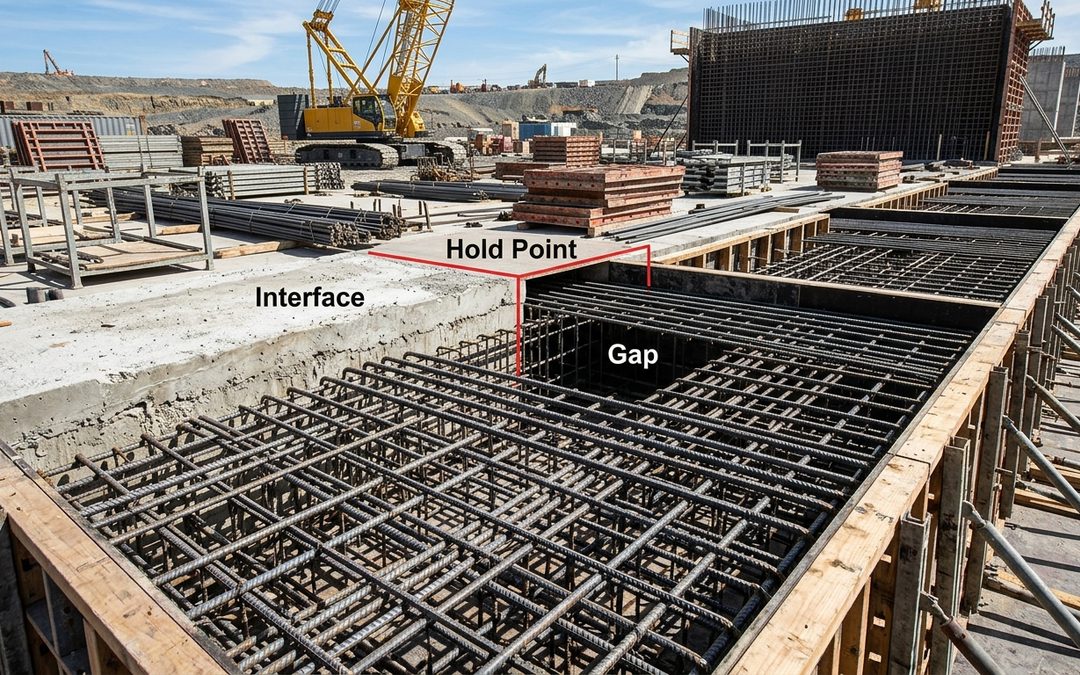
What is a hold point in a slab cycle?
A hold point is a stage in the sequence where the next activity cannot proceed until a required inspection, approval or condition has been satisfied. Before a pour, that typically means formwork condition, levels, reo placement and cover, penetrations, cast-ins, edge protection, cleanliness, concrete access, approved drawings and closed RFIs. The project’s inspection and test plan, contract and builder procedures decide the actual hold points. SafeWork NSW’s formwork collapse alert shows what is at stake when a pour proceeds without that certainty.
Pour readiness is confirmed before the concrete is booked, not after. A failed hold point costs a morning. A cancelled pour costs the booking, the pump and the crew.
How is concrete placed and finished?
The pour is one part of the cycle, and preparation decides how smoothly it goes. Concrete placement depends on supply and delivery sequencing, pump set-up and access, weather and crew coordination. Concrete is distributed, compacted and finished, with joint locations and pour continuity planned in advance. In Sydney, tight sites often make pump access and truck queuing as important as the pour itself.
What happens after the pour: curing, stripping and backpropping?
Stripping is not automatic. Cement Concrete & Aggregates Australia’s curing guidance explains why early-age concrete must be kept moist and protected. When formwork can come off depends on the concrete specification, the structural design, the formwork system and the backpropping design. SafeWork NSW’s formwork code of practice expects written engineering confirmation before stripping, and backprops installed to the engineer’s design. Those props then carry load through the programme and affect access at the levels below.
Once stripped, formwork is cleaned, moved and prepared for the next level, and the cycle begins again.
How long does a slab cycle take?
Slab cycle time is the time from one completed slab stage to the same stage on the next level. How many days a slab cycle takes depends on the project. The main drivers are slab geometry, floor plate size, formwork system, crew size and capability, reinforcement density and delivery, penetrations, concrete specification and supply, inspection requirements, crane availability, weather and design changes.
We do not quote generic durations, because unverified numbers mislead. Set-out, inspections and the pour itself are typically short-duration activities. Reo fixing and services coordination are often programme-critical. Curing runs against concrete requirements and can overlap other work.
What causes delays in a form, reo, pour cycle?
| Stage | What must be ready | Typical delay risks | Depends on | What a well-run crew does differently |
| Set-out | Survey control, released level below | Late set-out, wrong dimensions | Builder, surveyor | Plans the next level early |
| Formwork | Set-out, materials, crane access | Defects, missing components | Crane, supply | Checks interfaces before they block |
| Reo | Released deck, approved schedule | Late delivery, congestion | Detailer, supplier | Confirms delivery before the pour is planned |
| Penetrations and services | Register, approved drawings | Late openings, open RFIs | Services trades, engineer | Closes RFIs early |
| Pre-pour inspection | Everything above complete | Failed items, missing records | Builder, engineer | Keeps hold points visible |
| Pour | Release, concrete, pump access | Supply, weather, access | Supplier, site logistics | Locks logistics in advance |
| Cure, strip, backprop | Concrete condition, engineer’s release | Strength, backprop constraints | Engineer, methodology | Treats stripping as a hold point |
Late RFIs, design changes and incomplete information hit every row. A well-run crew plans the next cycle while the current one runs, knows which activities can run concurrently, and escalates early. None of this guarantees a cycle time. It reduces avoidable rework.
What can void a slab cycle commitment?
A cycle-time commitment is an agreed expectation of cycle performance, based on stated assumptions. It cannot be unconditional where key inputs sit outside the formwork or structural contractor’s control. Legitimate changes include late design information, unresolved RFIs, late approvals, altered access, disrupted concrete supply, crane unavailability, severe weather and slab readiness affected by another trade. Contract wording decides the actual consequences, so confirm it against your project documents.
How Future Form can help
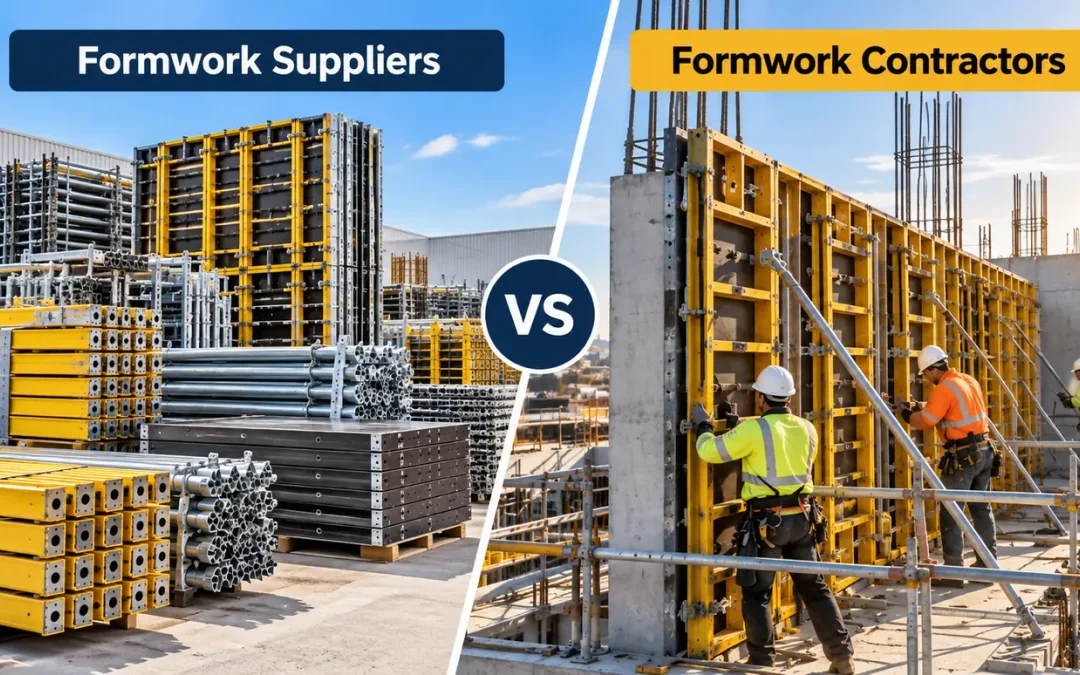
Future Form is a Sydney-based FRP contractor delivering formwork systems, steel fixing and concrete works, with over 20 years in the industry. Holding formwork, reo and pour in one package puts the interfaces inside one team, which suits cycle-based methodology where hold points and handovers need active management. Integration does not mean owning every interface. Services, design information and concrete supply still need clear responsibilities in scope.
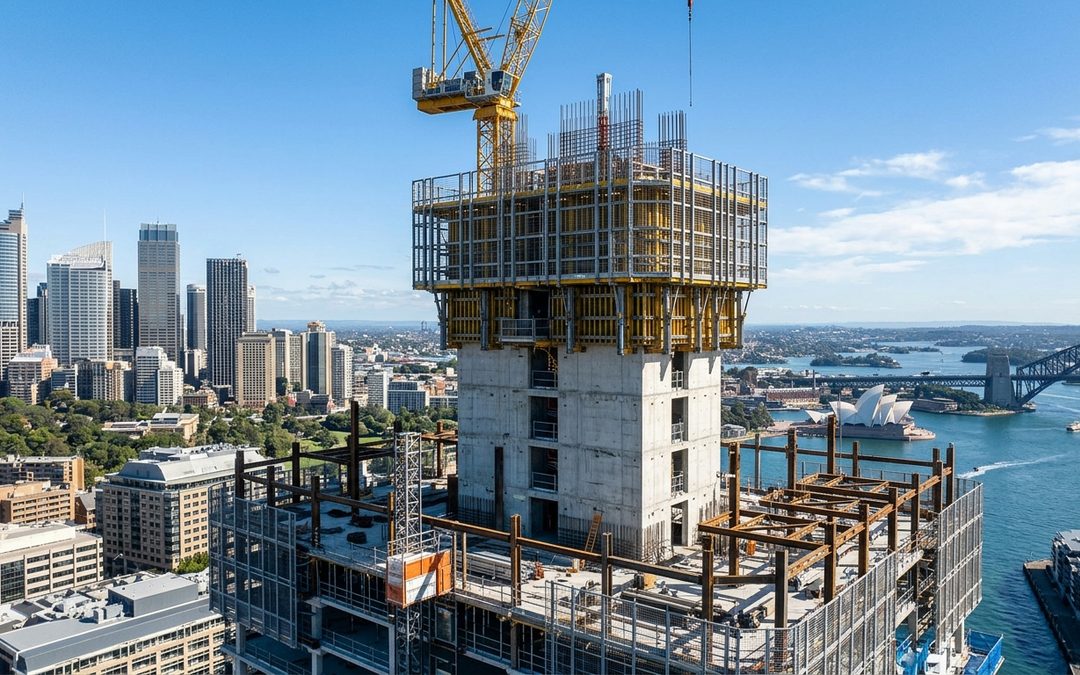
Project evidence is specific. On the 28-storey Smith Street tower in Parramatta, Future Form reports its hydraulic jumpform platforms delivered a five-day cycle on the core, finishing three weeks ahead of the core schedule (Future Form). That is a core figure, not a slab cycle, and it is not a promise for other projects. Future Form also reports reducing formwork cycle times by up to 20% for clients.
Any commitment starts with project-specific assumptions: information dates, access, supply and approvals. See other high-rise projects, programme acceleration and early contractor involvement.
6 FAQ
1. What is the form, reo, pour sequence?
It is the coordinated progression from slab formwork, through reinforcement and pre-pour readiness, to concrete placement and preparation for the next level. See Future Form’s FRP guide.
2. How many days does a slab cycle take?
It depends on the project. Slab geometry, formwork system, crew, reo density, supply, inspections and design changes all affect it, so no single duration is universal.
3. What causes delays in a form, reo, pour cycle?
Delays mostly arise at interfaces: late set-out, formwork defects, late reo, unresolved penetrations or RFIs, failed inspections, concrete supply, pump access, weather and slow approvals.
4. What is a hold point before a concrete pour?
It is a point where the pour cannot proceed until the required inspection, approval or condition is satisfied. The project’s inspection and test plan sets the actual hold points.
5. When can formwork be stripped?
When the engineer’s design and project methodology allow it, based on concrete condition, time elapsed and backpropping design. Stripping needs written confirmation, not a fixed number of days.
6. What can affect a slab cycle commitment?
Late information, open RFIs, design changes, late approvals, access changes, concrete supply disruption, crane availability, weather and other trades affecting slab readiness.
The slab cycle is won before the truck arrives
Form, reo, pour is one cycle: set-out, formwork, reinforcement, services, hold points, pour, curing, stripping and backpropping, each depending on the one before. Cycle time follows project conditions and coordination, and a commitment is only as sound as the assumptions behind it. Preparation, clear information and clean handovers do the real work.
If you are planning or improving an upcoming high-rise slab cycle, speak with a Future Form expert. The best slab cycles are built through coordination before the concrete truck arrives.