Jumpform, also called climbing formwork, is a formwork system that climbs the structure it is building, raising core wall forms and working platforms level by level. It is used mainly for high-rise cores, lift shafts and stairwells. It is also an engineered construction system, not just a piece of equipment, so whether it suits your tower depends on more than the kit itself.
Key takeaways
- Jumpform suits repetitive vertical concrete, such as high-rise cores, but it is not automatically right for every project.
- A jump is governed by concrete strength and engineering approval, not just by how fast the system can climb.
- Cycle time depends on core geometry, crew, reinforcement sequencing, hold points, weather, crane access and the slab cycle behind the core.
- Jumpform can reduce formwork-related crane lifts, but the tower crane still serves reinforcement, materials and other trades.
- Enclosed platforms and edge protection help manage fall risk, but safety depends on design, inspection, training and site controls.
What is a jumpform system?
A jumpform system is a set of formwork panels, working platforms and a climbing mechanism that moves up the concrete core as each lift is poured. Hydraulic or mechanical climbers raise the whole assembly, so the formwork doesn’t need to be stripped and craned to the next level each time. Our guide to how jumpform systems work covers the basics.
Configurations vary. A system is designed around the project’s core layout and structural requirements, so no two are identical.
Where is jumpform used?
Jumpform is primarily associated with tall vertical concrete: core walls, lift shafts, stairwells and service risers in residential and commercial towers, and other tall vertical concrete structures. The right application depends on the project design, system configuration and engineering. It sits alongside other types of formwork, and a tower often uses several.
How does a jumpform cycle work?
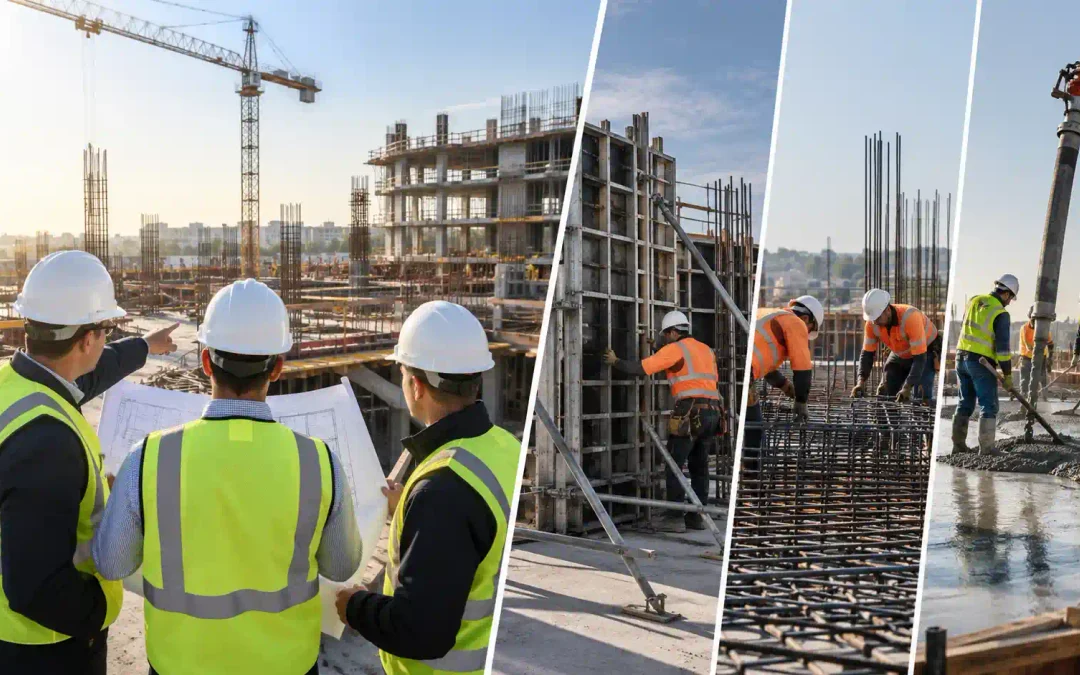
A typical cycle repeats at every level. The exact sequence depends on the system, project methodology, engineering requirements and agreed procedure, so treat this as a guide rather than a universal procedure.
| Stage | Typical activity | Key consideration |
| 1. Preparation | Reinforcement, embeds and formwork readied | Core must be ready for the pour |
| 2. Pour | Concrete placed into the core forms | Placement rate and loads are designed for |
| 3. Strength check | Concrete reaches the required strength | Jump timing follows engineering requirements |
| 4. Release and climb | Forms released; platforms climb | Anchorage and climbing operation controlled |
| 5. Reposition | Forms and platforms re-established | Alignment and geometry checked |
| 6. Inspection | System and work area verified | Safety, quality and readiness signed off |
| 7. Next cycle | Reinforcement for the next lift begins | Cycle repeats one level higher |
Concrete is the real gatekeeper. The climbing anchorage and wall must reach the strength nominated by the designer before loads are applied, so curing and strength verification set the earliest safe jump. That’s why mix design and early-age strength planning belong in the sequencing of form, reo and pour, not as an afterthought.
What makes up a jumpform system?
Components differ by project, but typically include:
- Core wall formwork: panels shaped to the core, lift shaft and stairwell geometry, including curved walls.
- Climbing mechanism: hydraulic or mechanical, with brackets, climbing frames and anchoring interfaces to the cured concrete.
- Working and access platforms: levels for reinforcement fixing, form adjustment and pouring, with stair or ladder access.
- Edge protection and enclosure: perimeter barriers and screens that form a protected work area.
- Temporary works and certification: the engineering that ties it all together.
These parts work as one system: the platform carries people and materials, the forms shape the concrete, the climbing mechanism moves both, and enclosure protects the crew.
Platform safety, edge protection and enclosure
Enclosed platforms with built-in edge protection help control fall risk and shelter crews from wind and weather, which is a real advantage at height. They don’t guarantee safety. Outcomes depend on correct design, installation, inspection, operation, maintenance, training and site-specific procedures. Safe Work Australia publishes a guide to slip, jump and travelling formwork systems covering design and safe operation.
How long does a jumpform cycle take?
There’s no universal number. Cycle time depends on core geometry, number and configuration of forms, concrete strength requirements, crew size, reinforcement sequencing, inspection hold points, weather, crane availability, the slab interface, logistics, repetition and design changes.
Future Form project evidence offers one data point. On a residential tower at Smith Street, Parramatta, hydraulic jumpform platforms achieved a five-day cycle, and the core finished three weeks ahead of the core construction schedule. That is a single project result, not a benchmark every tower will match. Repetition matters: the more identical levels, the more a crew settles into rhythm.
Does jumpform reduce crane dependency?
It can reduce it, not eliminate it. Conventional core formwork is typically stripped and lifted by the tower crane at every level, which ties up hook time. A self-climbing system moves itself, freeing the crane for other work. On the same Parramatta project, Future Form recorded a 25% reduction in crane lifts dedicated to formwork.
The crane still lifts reinforcement, embeds, concrete (where not pumped), and materials for other trades, and it assembles and dismantles the system itself. Crane interface planning, covering lift priorities and availability, still shapes the wider construction programme.
What engineering is required for jumpform?
Jumpform is a designed temporary structure. It needs structural and temporary works engineering for concrete loads, climbing loads, wind, anchorage, platform design and core interfaces, plus documented inspection and certification. SafeWork NSW has warned of inadequate formwork designs and certifications, so confirm who designs, checks and certifies the system. Specific design values belong with your engineer.
Jumpform versus slipform and other core methods
| Method | Best suited to | Watch-outs |
| Jumpform | Repetitive high-rise cores, varied geometry | Mobilisation, engineering, concrete strength gating |
| Slipform | Uniform, continuous cores | Continuous pours, rigid geometry, complex logistics |
| Crane-lifted core formwork | Lower-rise or less repetitive cores | Higher crane demand, slower per level |
| Conventional formwork | Small or irregular elements | Labour and crane intensive |
Slipform rises continuously as concrete is poured, whereas jumpform climbs in stages after each pour has gained strength. Slipform can be fast on uniform cores, but it demands uninterrupted pours and less flexibility. Our jumpform versus slipform comparison goes deeper.
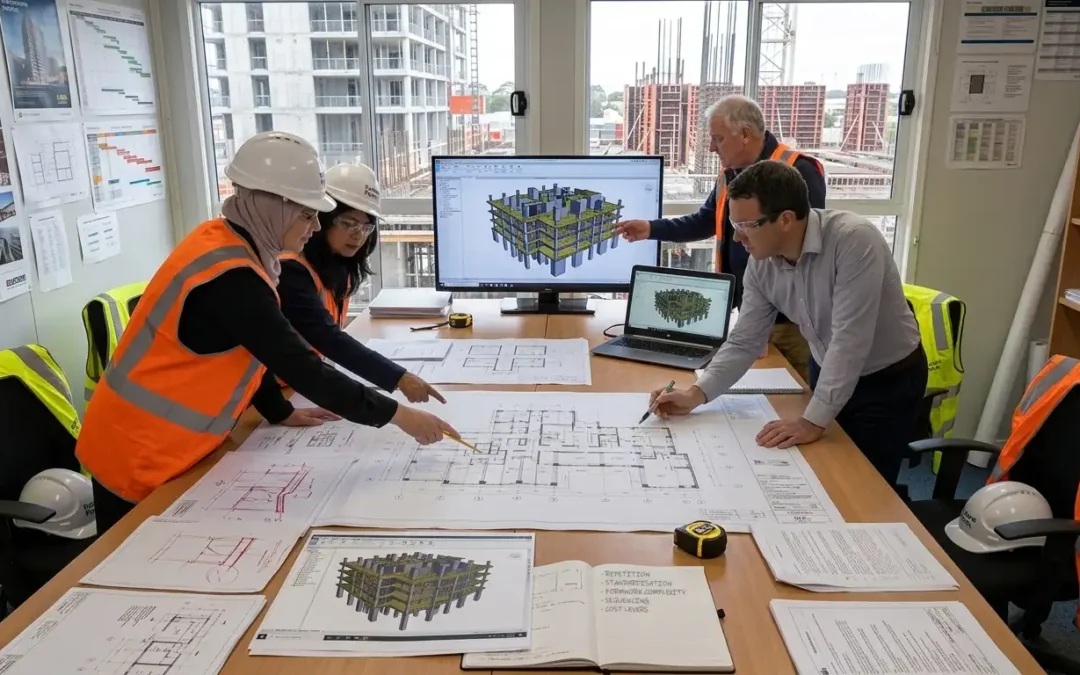
Which method for a 30-storey residential tower? A 30-storey residential tower with a repetitive core is a strong candidate for jumpform, particularly where crane time is tight. But a short or highly irregular core, or a site with limited mobilisation lead, may suit another method. Compare building height, repetition, geometry, programme, crane availability and structural design before deciding.
What to consider before selecting jumpform
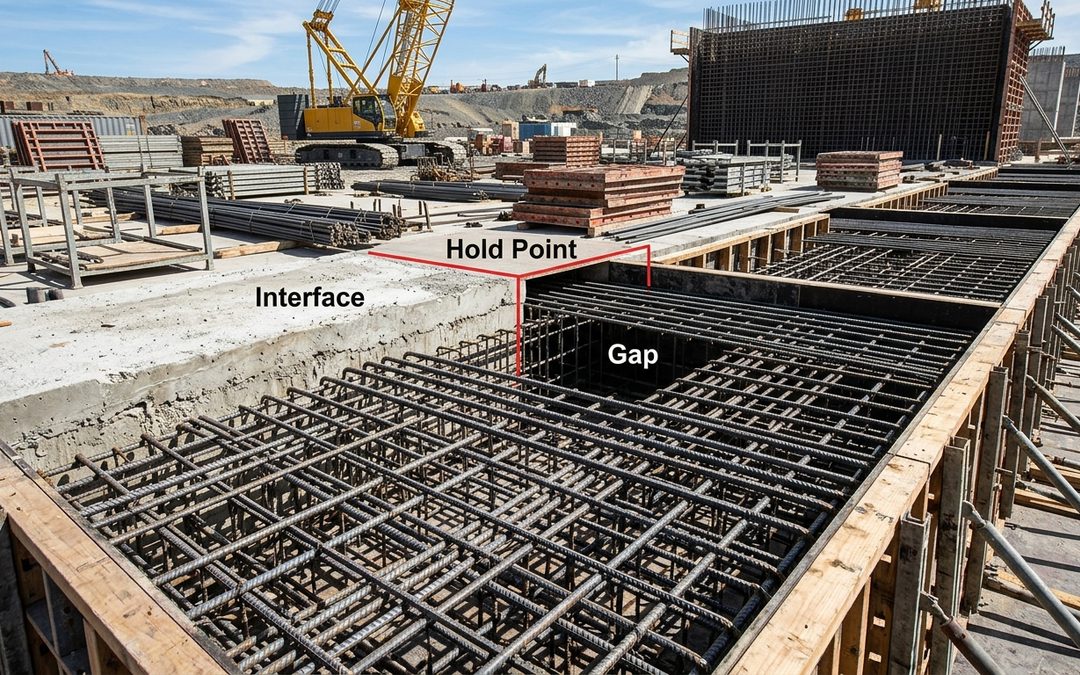
Mobilisation is real: engineering, fabrication, delivery and assembly come before the first climb, so involve the formwork contractor early. Check site logistics, crane access and the core’s relationship to the floor slabs, because the core usually leads and the slabs follow. The slab cycle behind the core can set the real pace.
How Future Form can help
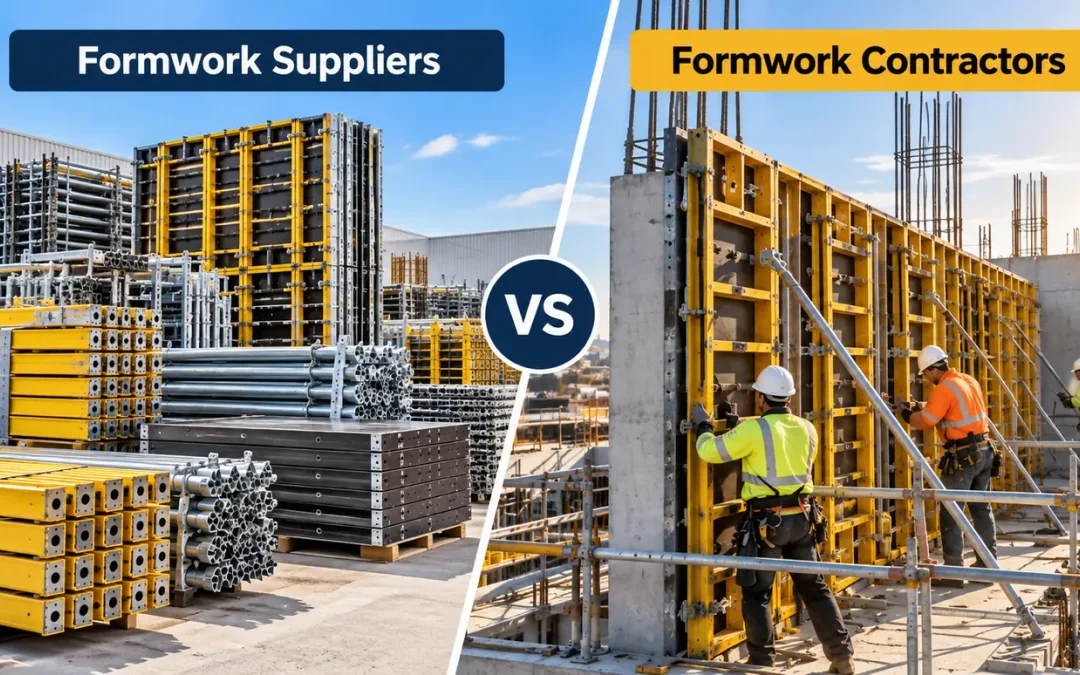
Future Form delivers jumpform core packages as an integrated system rather than equipment alone. That includes custom-designed platforms around the core layout, core formwork, in-house structural and drafting teams, crane interface planning, coordination with builders, engineers and project managers, and support from site delivery through final dismantle.
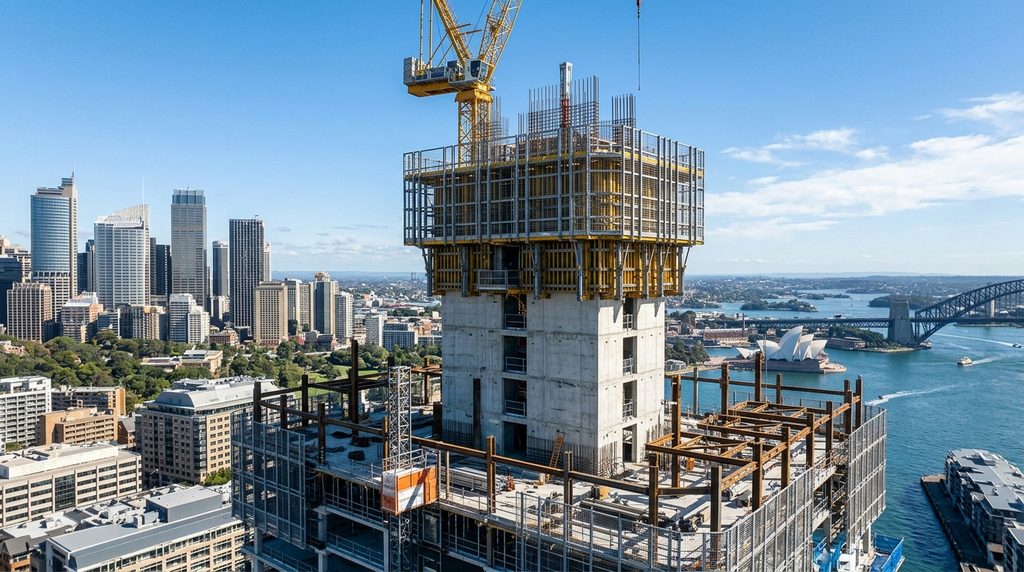
Our project record includes Smith Street, Parramatta, the tower above, where curved jumpform cores reach 28 storeys, and 88 Walker Street in North Sydney, where our package included jumpform. We are ISO 9001, 45001 and 14001 certified, with more than 20 years in the industry. Jumpform often sits within an integrated FRP package of formwork, reo and pour. Mobilisation timing is project-specific. If you’re weighing up jumpform for an upcoming tower, our team is happy to talk it through with you.
6 FAQ
1. What is a jumpform system?
A jumpform system is climbing formwork that raises itself up a concrete core using hydraulic or mechanical climbers, carrying forms and working platforms with it. It is mainly used for high-rise cores, lift shafts and stairwells.
2. How long does a jumpform cycle take?
It varies by project. Future Form achieved a five-day cycle on a residential tower at Smith Street, Parramatta, but geometry, concrete strength, crew, sequencing, weather and crane access all affect the result.
3. What is the difference between jumpform and slipform?
Jumpform climbs in stages after each pour gains strength; slipform rises continuously during a non-stop pour. Jumpform offers more flexibility, while slipform suits uniform cores.
4. Does jumpform reduce crane dependency?
Yes, partly. A self-climbing system reduces crane lifts for repositioning formwork, but the tower crane is still needed for reinforcement, materials and system assembly.
5. What engineering is required for jumpform?
Structural and temporary works engineering covering concrete and climbing loads, wind, anchorage, platforms and core interfaces, plus documented inspection and certification.
6. Who supplies jumpform systems for high-rise cores in Sydney?
Future Form is one Sydney formwork contractor that delivers jumpform core packages, including engineering, platforms and dismantling, with projects in Parramatta and North Sydney.
The jumpform decision is a programme decision
Choose a core system and you’ve chosen the rhythm of the whole tower. Jumpform can be highly effective where repetition, geometry and crane planning line up, but it isn’t automatically right for every structure. Weigh cycle time, engineering, safety, crane interface and the slab cycle together before you commit. If you’d like to compare core approaches or review an upcoming high-rise project, speak with a Future Form expert. Get the core right, and the rest of the tower keeps pace.