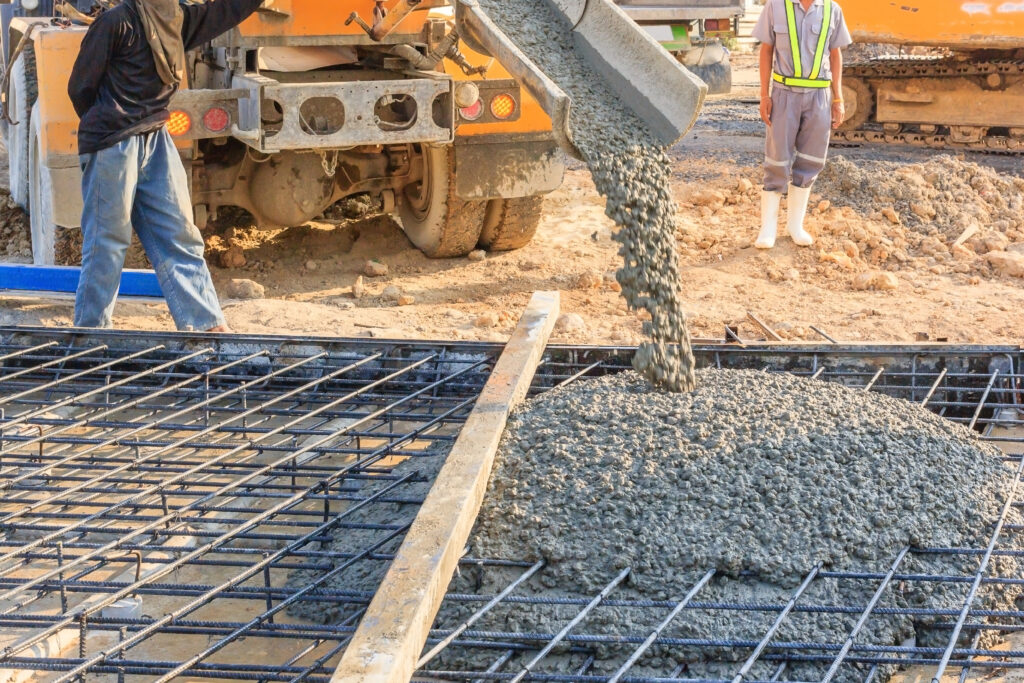
When you find out that concrete has been booked, it’s one of the most stressful times in a big project. When trucks are scheduled and suppliers are set, the clock starts ticking for the structure. The same problem keeps coming up in the industry, though: concrete is booked but FRP isn’t ready. People may know what form, reo, and pour mean on their own, but when they aren’t put together as a single structural package, the effects are felt right away on site.
This situation is not uncommon. This is what happens when plans are broken up, responsibilities are not clear, and people are too hopeful about being ready. When teams have to make quick decisions about structure, safety, and long-term performance, concrete bookings often show weak concrete FRP coordination. What should be a controlled milestone turns into a high-risk race.
The lesson for developers, builders, and project teams is clear: concrete does not fail projects—poor FRP alignment does. To protect the program’s certainty and the structure’s integrity, it’s important to know why this happens and how integrated FRP solutions stop it.
Why concrete bookings reveal FRP weaknesses
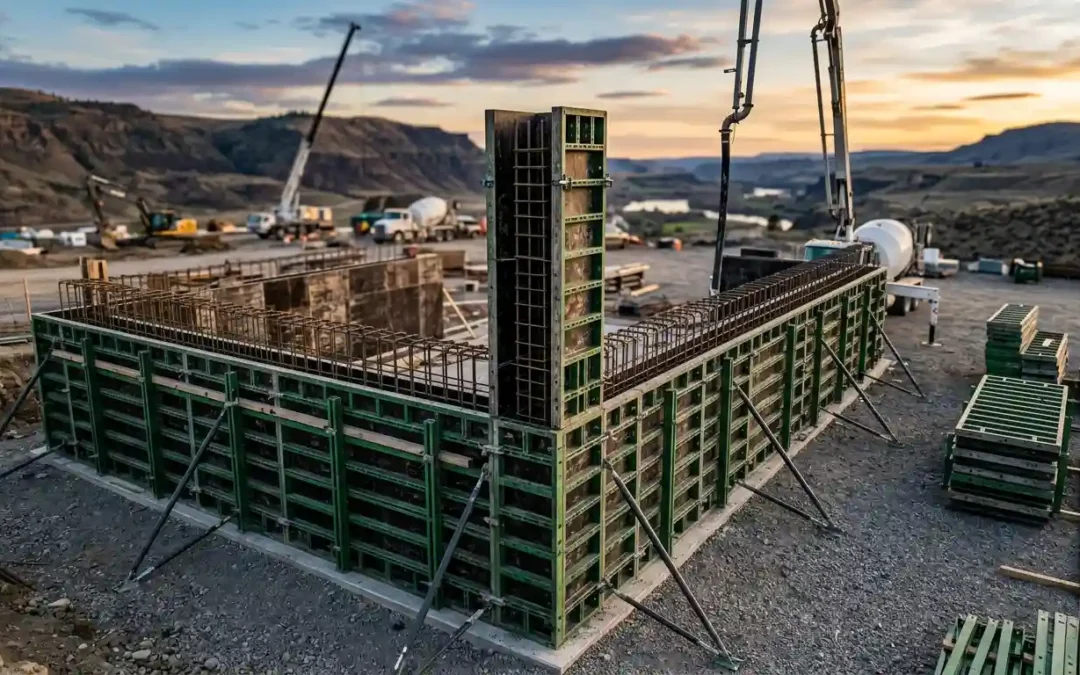
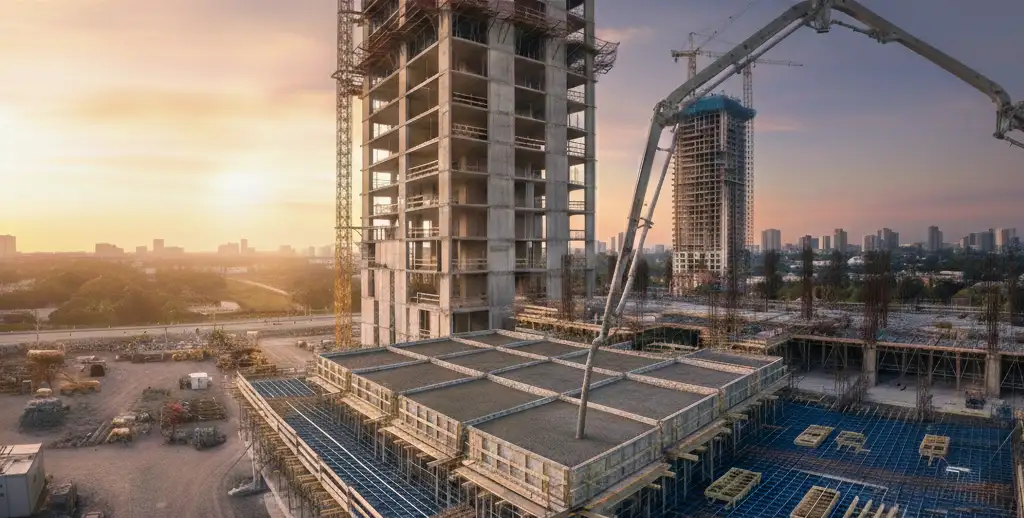
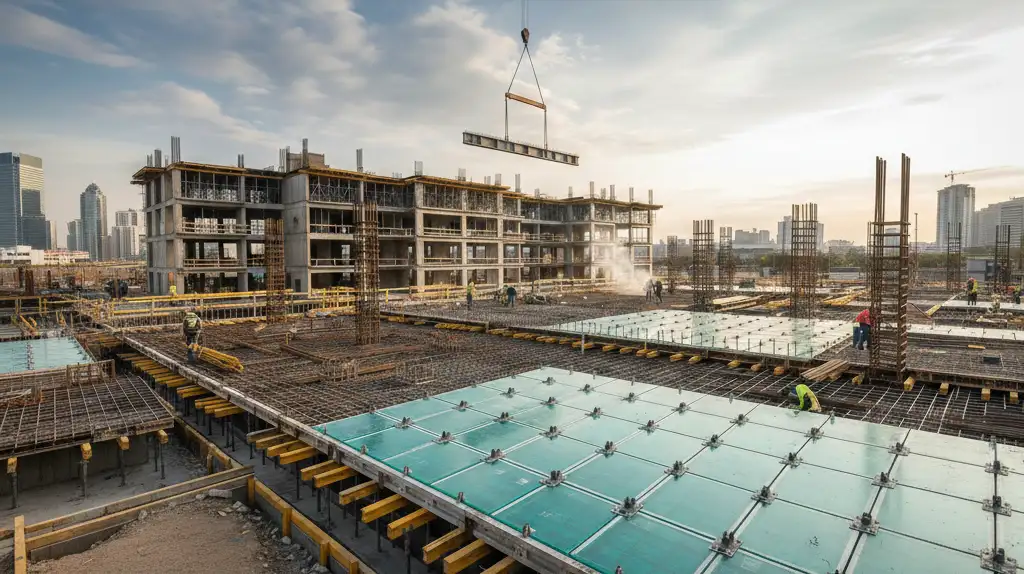
Concrete bookings are unforgiving. They demand that formwork is complete, reo is fixed correctly, inspections are passed, and access is safe—without exception. When any part of the form, reo, pour sequence falls behind, the entire project feels the strain.
In many projects, concrete is booked based on programme targets rather than genuine readiness. The assumption is that formwork will catch up, reo fixing will accelerate, and inspections will be managed in parallel. In reality, this approach exposes gaps in planning and communication between FRP contractors.
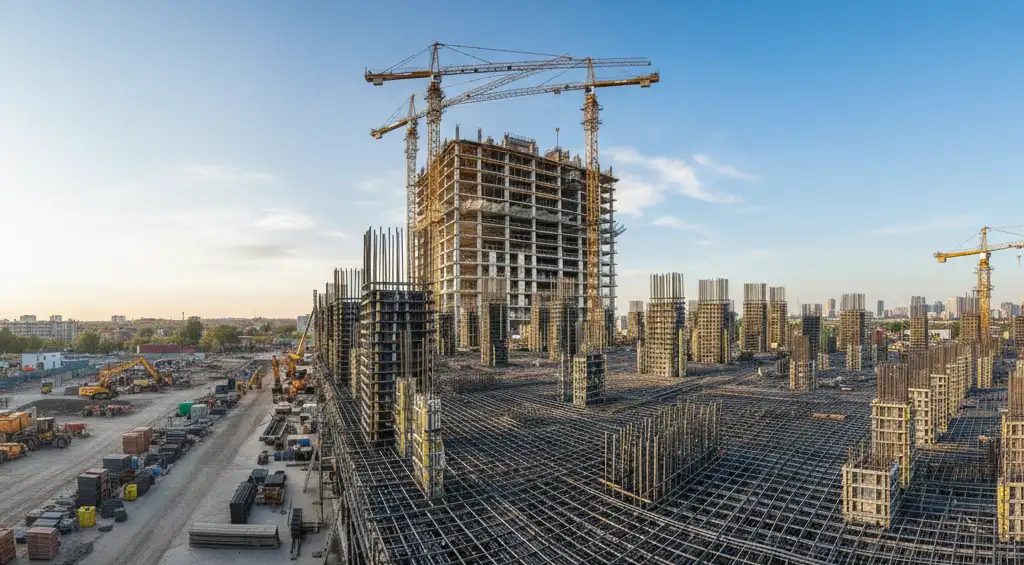
Formwork may be put in place correctly, but it may not be ready for final loads. Reo may be partially fixed, but it may be missing laps, starters, or engineer clarifications. Late RFIs or last-minute approvals may affect pour readiness. When looked at one at a time, these problems seem easy to handle. Together, they make a structural bottleneck.
When concrete is booked, there aren’t many choices left. Delays lead to penalties, rushing work raises the risk, and compromises are made to keep things moving. This is when projects start to take on hidden costs like rework, defects, delays, and safety risks.
The cost of proceeding when FRP is not ready
There are effects that last long after the day of the pour when you pour concrete into a structural package that isn’t ready. The immediate problem is schedule pressure, but the long-term effects are much worse.
From a structural point of view, fixing reo too quickly raises the chances of putting bars in the wrong place, not covering them properly, or not resolving clashes. These problems might not show up until after the concrete is poured, but they often come up again during testing, audits, or later stages of the project. At that point, fixing it is costly and disruptive.
From a safety point of view, incomplete formwork or unstable access makes pouring dangerous. When crews are under time pressure, they are more likely to take shortcuts, which makes incidents more likely. Safety risks don’t usually stay in one place; they affect morale, productivity, and the culture of the site.
Failed pours, partial pours, and trucks that are late all cost money. More importantly, they break down trust between the people involved. When FRP is not aligned correctly, concrete pours fail. This makes the structural package less trustworthy and shakes confidence in the programme.
How fragmented FRP delivery creates the problem
The main problem is that FRP is often treated as separate trades instead of as a single system. There are often different scopes, supervisors, and reporting lines for formwork, reo, and pour. Each trade may do well on its own, but not having a plan that everyone follows makes it hard to see where things are going wrong.
Formwork teams might work on drawings that are technically correct but don’t follow the right order for reo. Reo fixing can go ahead even if there isn’t full clarity on pour breaks or access needs. Then, concrete pours are planned based on how much progress has been made on paper, not on how ready the site really is.
When there isn’t one person in charge of the structural package, assumptions take the place of coordination. Everyone thinks they’re on track until the pour date comes. This is when the disconnect becomes clear, and it’s usually too late to fix it.
Integrated FRP solutions fix this by making sure that everyone knows what their responsibilities are, when they need to do things, and how to make decisions throughout the entire form, reo, and pour process.
What genuine pour readiness really looks like
Pour readiness is more than a checklist item. It is a condition achieved through deliberate sequencing, verification, and communication across the project.
Genuine readiness means:
- Formwork is complete, stable, and signed off for load and geometry
- Reo fixing is finished, inspected, and compliant with approved details
- All RFIs impacting the structural package are closed
- Access, safety systems, and pour logistics are confirmed
- The pour sequence aligns with curing, stripping, and follow-on trades
When these elements are in place, concrete pours become controlled operations rather than crisis events. The project maintains momentum without compromising quality or safety.
Achieving this level of readiness requires planning backward from the pour, not pushing forward toward it.
Planning FRP milestones backward from the pour
One of the best ways to avoid the situation where the concrete is booked but the FRP is not ready is to change the order in which things are planned. The question changes from “When can we pour concrete?” to “What needs to be done before we can pour safely and correctly?”
By planning FRP milestones backward from confirmed concrete pours, teams gain clarity on:
- When formwork must be completed and checked
- When reo fixing must be finalised and inspected
- When approvals and sign-offs are required
- Where float genuinely exists—and where it does not
This approach exposes unrealistic assumptions early. It highlights conflicts between trades before they reach the site. Most importantly, it ensures that concrete bookings reflect reality rather than optimism.
Future Form applies this methodology to protect programme certainty and structural outcomes across complex projects.
The role of FRP contractors in protecting the structural package
FRP contractors play a critical role in determining whether a structural package succeeds or struggles. When their involvement is limited to isolated scopes, their ability to influence outcomes is reduced. When they are engaged as integrated partners, the entire project benefits.
Strong FRP contractors understand how formwork decisions affect reo productivity, how reo sequencing impacts pour logistics, and how pour timing influences stripping and cycle times. They plan holistically rather than reactively.
By coordinating form, reo, and pour as one system, FRP contractors reduce handover friction, minimise rework, and maintain structural rhythm. This is particularly important on projects with tight cycles, vertical repetition, or complex geometries.
Integrated FRP solutions are not about speed alone—they are about control.
Why rushed pours create long-term structural risk
Projects under pressure often justify rushed pours as a necessary compromise. The belief is that minor issues can be resolved later or absorbed without consequence. In structural work, this assumption rarely holds true.
Concrete locks in decisions. Once poured, errors become permanent unless costly rework is made. Issues such as inadequate compaction, misaligned embeds, or incomplete reo cannot be undone without significant intervention.
Rushed pours also disrupt downstream activities. Stripping delays, curing issues, and follow-on trade clashes often trace back to poorly coordinated FRP delivery. What begins as a single compromised pour can ripple through multiple levels of the project.
To protect the structural package, you have to resist the desire to pour before you know it’s ready.
How integrated FRP solutions change project outcomes
Integrated FRP solutions bring form, reo, and pour into a single planning and delivery framework. Instead of managing interfaces, FRP teams manage outcomes. Instead of reacting to problems, they anticipate them.
This approach delivers:
- Clear accountability for the entire structural package
- Realistic sequencing aligned with site conditions
- Reduced RFIs and late design clarifications
- Safer pours with fewer last-minute changes
- More predictable cycle times and programme confidence
For developers and builders, this translates into fewer surprises and stronger control over risk. For site teams, it creates clarity and reduces pressure at critical milestones.
Future Form’s approach ensures that when concrete is booked, FRP is genuinely ready—not assumed to be.
Avoiding the scenario every project eventually faces
The reality is that most projects will want to pour before full readiness at some point. The difference between successful projects and troubled ones lies in how that moment is handled.
Projects that prioritise integrated FRP planning recognise that concrete pours are outcomes, not targets. They invest time upfront to protect the structural package rather than spending far more time fixing issues later.
By aligning formwork, reo fixing, and pour sequencing under a unified strategy, projects maintain momentum without sacrificing quality or safety. The structural programme becomes resilient rather than reactive.
Where Future Form fits into the equation
Future Form supports projects by planning FRP milestones backward from concrete pours, ensuring that formwork and reo fixing are genuinely pour-ready. This approach removes guesswork from structural delivery and replaces it with clarity, coordination, and accountability.
Rather than accelerating one trade at the expense of others, Future Form aligns the entire structural package to protect cycle times, concrete quality, and site safety. The result is fewer aborted pours, reduced rework, and stronger programme confidence.
For projects aiming to deliver complex structures under increasing pressure, integrated FRP solutions are no longer optional—they are essential.
Final thoughts: The importance of structural readines
“Concrete booked, FRP not ready” is not just a scheduling issue—it is a structural risk. It reflects deeper problems in coordination, planning, and accountability that, if left unaddressed, will surface repeatedly throughout a project.
By recognising FRP as an integrated system and planning accordingly, project teams can avoid rushed decisions, protect safety, and deliver structures that perform as intended. Concrete pours should mark progress, not trigger panic.
When FRP is ready, concrete becomes a milestone—not a gamble.
References
Australian Building Codes Board. (2022). National Construction Code series.
Retrieved from https://ncc.abcb.gov.au/
Concrete Institute. (2021). Guide to concrete construction and quality control.
Retrieved from https://www.concreteinstitute.com/
Engineers Australia. (2020). Structural engineering practice and compliance guidelines.
Retrieved from https://www.engineersaustralia.org.au/
Safe Work Authorities. (2021). Managing risks in concrete and formwork operations.
Retrieved from https://www.safeworkaustralia.gov.au/
Standards organisations. (2018). Concrete structures and reinforcement standards.
Retrieved from https://www.standards.org.au/