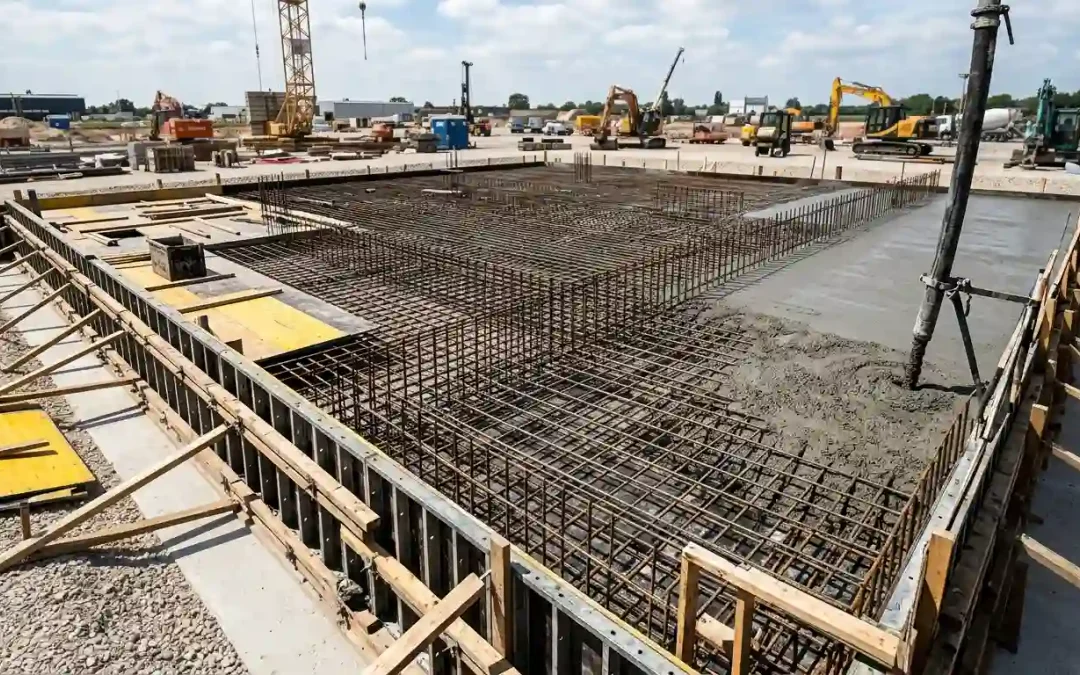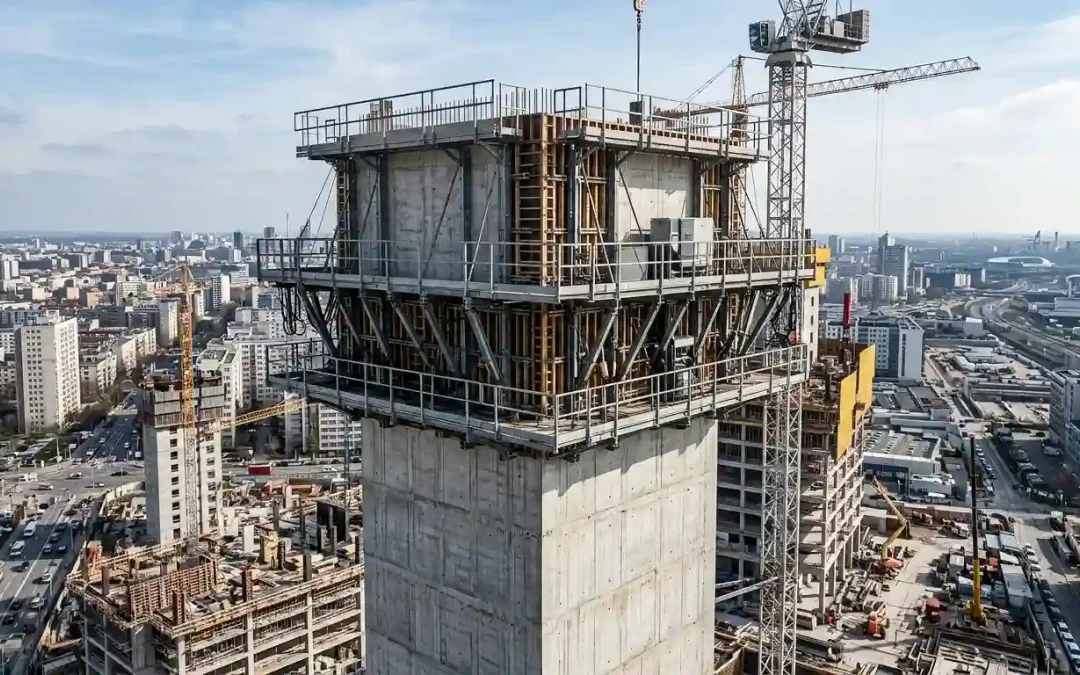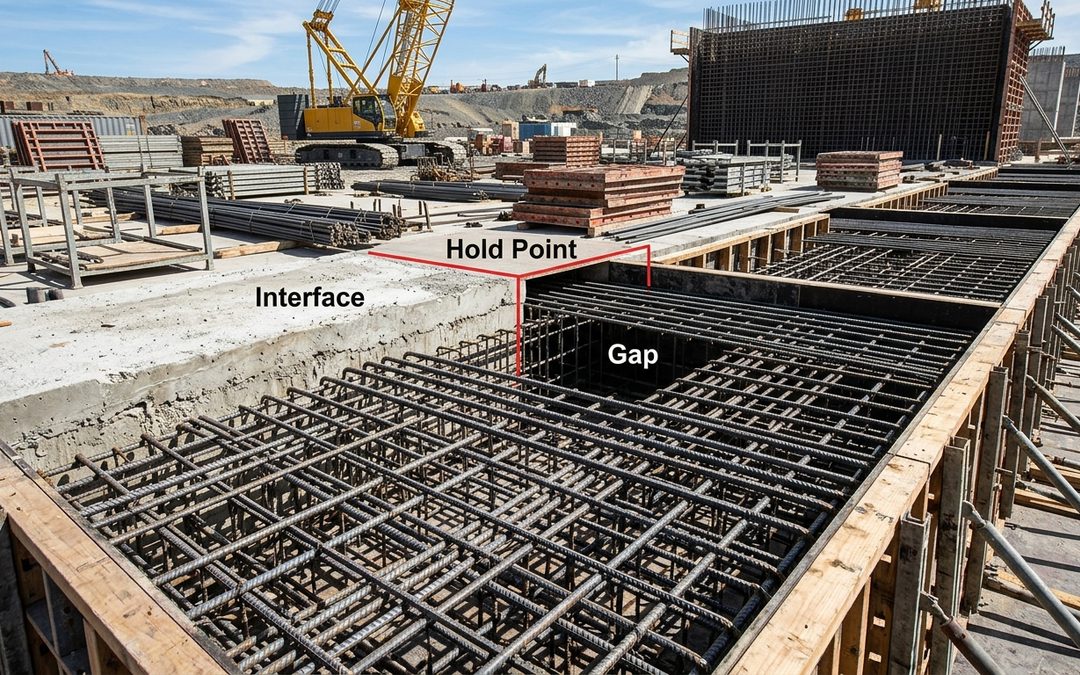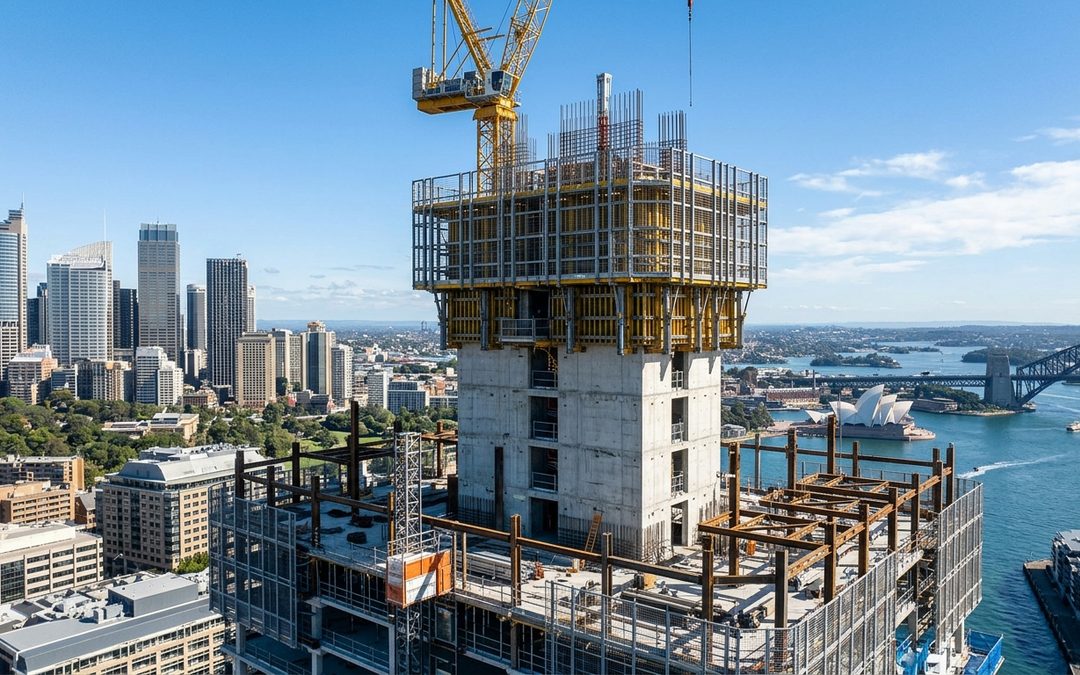
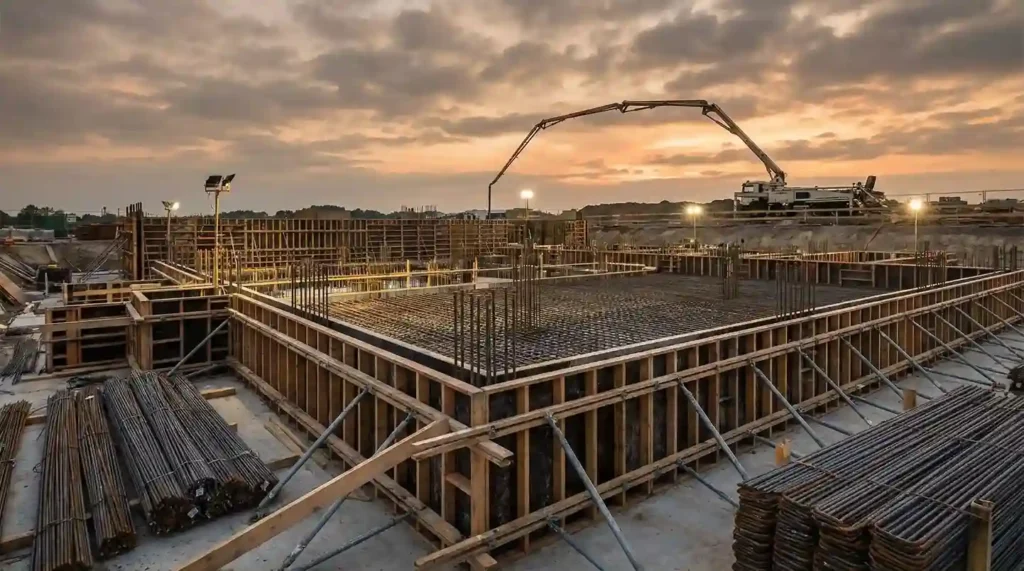
Every construction expert understands that the closing weeks of the year bring a unique set of challenges. As programme protection decreases, labour becomes increasingly rare; concrete scheduling grows more inflexible, and every decision regarding form, reo and pour carries increased value. Even on efficiently run sites, the drive to finish structural milestones ahead of the shutdown period leads to a rise in demand throughout the entire FRP workflow.
This moment is often seen as the FRP pressure point, where errors are magnified, and integrated FRP solutions become crucial in determining the project’s structural direction. As deadlines approach, teams frequently discover that initial sequencing decisions or slight delays start to align, creating room for error. When formwork advances without proper coordination from the steel fixing teams, or if the readiness for pouring is delayed by last-minute changes, the structural package can shift quickly without warning.
When FRP contractors enhance the process through clear coordination, consistent communication, and structured planning, the final weeks transform into an opportunity to strengthen the project’s stability instead of putting it at risk. Future Form collaborates with developers, contractors, suppliers, and clients to effectively manage this intense period—ensuring that form, reo, and pour activities are coordinated, secure, and in sync for a strong beginning in the new year.
Understanding the FRP pressure point
Every structural package depends on the smooth combination of formwork, reinforcement (reo), and concrete pouring. This trio, known as FRP, forms the essential foundation for modern construction. As the year comes to a close, the urgency to synchronise these processes escalates.
What causes this to happen? As the year draws to a close, many factors come together:
- Project sequencing tightens: As teams try to meet their yearly goals, delays can build up, and any interruption to FRP sequencing may lead to a flow-on effect.
- Resource constraints: During holidays, labour availability frequently decreases, and suppliers might encounter their own year-end delays, which can complicate the quick distribution of form, reo, and concrete.
- Weather unpredictability: Heavy rainfall or extreme heat can disrupt pouring schedules, transforming a strict timeline into a complex logistical challenge.
- Stakeholder expectations: As the year ends, both developers and clients are looking for visible developments, raising the urgency to meet deadlines.
The unique combination of elements indicates that the closing weeks of the year represent a crucial “pressure point” for FRP contractors, project managers, and the whole supply chain.
Why the end-of-year becomes an FRP pressure point
As we near the last quarter of the year, various factors begin to take shape, creating a crucial FRP pressure point that impacts every aspect of form, reo, and pour sequencing.
- Compressed timelines: As December now arrives, design revisions, weather delays, late deliveries, and earlier sequencing decisions leave little room for error.
- Workforce availability: Holiday shutdowns throughout the industry result in less availability for labour in steel fixing, formwork, and concrete placement teams.
- Concrete curing windows: As pour schedules become more limited, the capacity to adapt decreases, creating difficulties in reorganising if formwork or reinforcement falls behind.
- Structural continuity requirements: FRP elements rely on each other—when one experiences a slowdown, the entire structural system is impacted.
These pressures don’t simply increase workload; they magnify the consequences of even small misalignments. A 24-hour delay in steel fixing can push a pour into unsuitable weather. A late RFI response can impact two trades instead of one. A small change in the formwork can interfere with the schedule and affect the cycle’s starting point in the upcoming year.
The concluding weeks are not just another phase of construction; they represent a critical synchronisation period where FRP contractors are crucial to the process.
The hidden costs of end-of-year FRP misalignment
FRP misalignment can be quite expensive, and as the year draws to a close, its effects become even greater. A typical recoverable error transforms into a significant structural and financial risk.
Rework becomes disproportionately expensive
Late-cycle rework relies on a constrained workforce, struggles with strict concrete deadlines, and often demands swift mobilisation at elevated costs. Minor errors—such as misaligned reo, incorrect formwork tolerances, and insufficient pour preparation—can lead to higher costs.
Schedule drift affects multiple trades
A delayed pour impacts more than just FRP contractors. The structural cycle is pushed into the next year, affecting as-built documentation, crane scheduling, façade mobilisation, and the following trades. A single sequencing problem can trigger a chain reaction that lasts for months.
Loss of structural continuity
Structural packages depend on timing. When the FRP cycle is interrupted, achieving consistency becomes a challenge, particularly after holiday periods.
Increased risk exposure
As the year comes to a close, misalignment can lead to rash choices. When faced with pressure, the processes of tolerance checks, RFI responses, and reinforcement inspections might be rushed, increasing the risk of long-term structural problems.
In short, the hidden cost of misalignment isn’t just money—it’s momentum. And regaining momentum in the new year is far more difficult than maintaining it now.
Why integrated FRP solutions matter most during the final weeks
Integrated FRP solutions offer the essential planning stability required when time is limited, labour is limited, and sequencing is important.
Holistic cycle coordination
Rather than viewing form, reo, and pour as separate workflows, integrated FRP solutions bring them together into a unified, seamless process. This prevents conflicts from arising and minimises unnecessary interruptions.
Accelerated issue resolution
It’s essential to address design differences, tolerance questions, and reinforcement details right away. Successful collaboration guarantees that RFIs are submitted early, addressed quickly, and communicated with clarity.
Cycle pressure reduction
By providing teams with clear expectations and proactive planning, integrated FRP solutions reduce the pressure that occurs when multiple trades try to complete their tasks at the same time.
Safer and more predictable pours
The final weeks demand early and strategic decision-making. Integrated FRP ensures pour preparation, curing conditions, access paths, and reinforcement placement all align with structural requirements.
During intense times, having insight is a key advantage—and integrated FRP solutions deliver just that.
How the end-of-year FRP decisions shape the new year’s structural cycle
The choices we make in the final days of the year not only determine the conclusion of the current year but also set the tone for the next year. Effective FRP sequencing during this period facilitates a more seamless mobilisation phase when teams come back from holiday, allowing work to begin right away instead of facing delays due to unresolved problems.
Projects that finish their final pours on time also see better alignment in procurement. With enhanced scheduling for steel, formwork materials, concrete deliveries, and crane allocations, confidence is significantly increased, leading to reduced downtime and consistent progress throughout the early-year cycles.
Reliable FRP progression enhances trade coordination too. When the structural package progresses as expected, subsequent trades—such as façade teams, riser installers, and services trades—can plan with confidence instead of being held up by the need for adjustments to be completed.
When year-end progression is solid, it also boosts stakeholder confidence. Developers, partners, and suppliers can rest easy knowing that the project’s structural package is solid and that the programme will keep progressing smoothly without any interruptions.
The end-of-year period is not just a conclusion—it serves as the starting point for the journey that lies ahead.
Practical tips for navigating the end-of-year FRP pressure point
For construction professionals and clients preparing for the year-end rush, here are some practical tips to get the most from your structural package:
1. Start early with your FRP contractor
Involve your FRP contractor at the earliest stage to secure resources, define the sequence of operations, and develop backup strategies for formwork, reinforcement, and pouring tasks.
2. Prioritise integrated FRP solutions
Choose partners who offer integrated FRP solutions rather than divided services. This ensures all elements of your structural package are aligned and reduces the risk of unexpected issues at the last-minute.
3. Communicate openly and frequently
Regularly interact with your project team, suppliers, and stakeholders to ensure clear communication and prevent potential issues from appearing. Consistent check-ins and updates are essential during times of high pressure.
4. Leverage technology for programme visibility
Use digital tools to monitor progress and adapt plans in real time. Tools that combine FRP scheduling and reporting can identify risks at an early stage and ensure accountability among all parties involved.
5. Plan for resource constraints
Recognise that labour and materials may be in short supply towards the end of the year. Build flexibility into your programme and work closely with suppliers to secure what you need.
Future Form’s role in reducing year-end cycle pressure
Future Form is essential for ensuring that FRP workflows remain steady during the critical, time-sensitive period of the year. Through the careful coordination of form, reo, and pour sequencing, Future Form ensures that project teams stay aligned, even as deadlines become more pressing and labour availability changes. This integrated strategy guarantees that each stage of the structural package advances seamlessly, minimising the possibility of delays and protecting the entire process.
By engaging in proactive planning, Future Form spots potential sequencing challenges early on, preventing them from turning into expensive delays. The team works hand in hand with site managers, engineers, and subcontractors to solve technical questions, quickly resolve RFIs, and ensure clear communication throughout all FRP operations. The importance of this early detection and quick response system cannot be underestimated, especially when even a slight delay can impact the final concrete pours.
Future Form’s dedication to clear communication, precision, and trade integration builds trust throughout the entire project team. By viewing FRP as a cohesive system instead of a separate task, Future Form reduces cycle pressure, enhances consistency, and helps developers and contractors in finishing the year with stability and confidence.
How developers and contractors can prepare now
Getting ready for the year-end FRP pressure point starts long before the calendar hits its last quarter. By securing FRP sequencing early, developers and contractors can enhance their standing, tackle RFIs proactively to prevent buildup, and determine labour and equipment needs in advance of the shutdown period. Establishing clear expectations for form, reo, and pour activities minimises last-minute uncertainty. Additionally, holding weekly coordination meetings among trades helps prevent sequencing clashes and ensures a seamless cycle momentum.
Getting ready also involves evaluating how clear the workflow is, understanding the resource needs, and identifying any communication gaps that could worsen when deadlines are tight. Bringing seasoned FRP contractors into the conversation from the start helps identify and address potential challenges before they turn into serious delays. Through proactive guidance, technical oversight, and integrated FRP planning, Future Form empowers developers and contractors to prepare effectively—ensuring stronger sequencing, smoother coordination, and a more controlled structural progression as the year-end approaches.
Building a stronger structural package for the year ahead
The end-of-year FRP pressure point is more than just a milestone; it represents a vital chance to enhance the structural package and pave the way for a successful cycle in the coming year. When form, reo, and pour activities come together seamlessly during this critical period, projects build momentum, minimise risk, and kick off the new year with assurance instead of the need for adjustments.
With integrated FRP solutions, proactive planning, and expert coordination, Future Form supports teams through this demanding period—ensuring the final weeks close strong and the structural cycle ahead begins on solid foundations.
If your project is approaching the year-end crunch, Future Form is ready to help you stabilise sequencing, strengthen your FRP workflow, and protect your structural package. Reach out today to prepare your team for a stronger year ahead.
References
Chan, D. W., & Kumaraswamy, M. M. (2002). Compressing construction durations: Lessons learned from Hong Kong building projects. International Journal of Project Management, 20(1), 23–35. Retrieved from: https://www.sciencedirect.com/science/article/abs/pii/S0263786300000576
Fischer, M., & Kunz, J. (2004). The scope and role of information technology in construction. CIFE Technical Report, Stanford University. Retrieved from: https://cife.stanford.edu
Love, P. E. D., Edwards, D. J., & Smith, R. J. (2005). Contractor errors and rework in structural concrete construction. Journal of Construction Engineering and Management, 131(4), 449–457. Retrieved from: https://ascelibrary.org/doi/10.1061/(ASCE)0733-9364(2005)131:4(449)
Ng, S. T., & Tang, Z. (2010). Labour productivity estimation considering weather factors. Construction Management and Economics, 28(9), 959–966.Retrieved from: https://www.tandfonline.com/doi/abs/10.1080/01446193.2010.501805
Sawhney, A., Riley, D., & Irizarry, J. (2020). Construction 4.0: An innovation platform for the built environment. Routledge. Retrieved from: https://www.routledge.com/Construction-40/ Sawhney-Riley-Irizarry/p/book/9780367333314